An elegant twist on the 7-segment display
By Andrew Gregory. Posted
This article was originally published as part of HackSpace magazine, which has since been incorporated into Raspberry Pi Official Magazine.
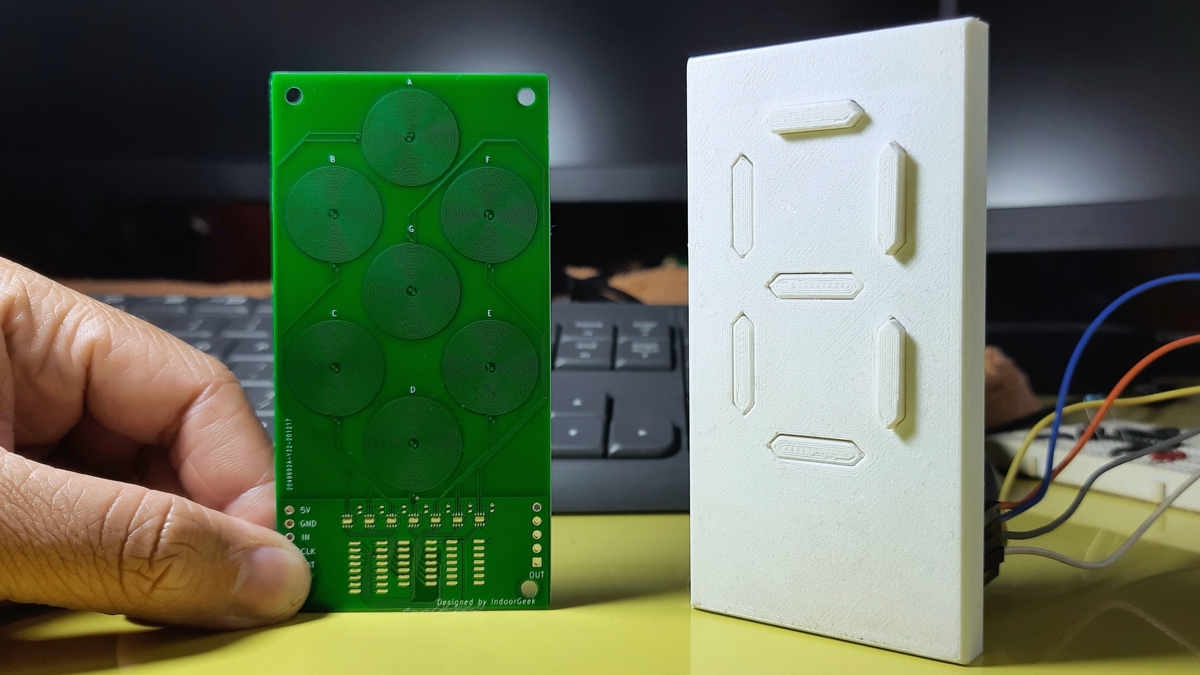
We featured an earlier iteration of this seven-segment display in the middle of 2020, and it was pretty clear then that, even at an early stage, it was a brilliant idea. Its creator, Neeraj Rane, said at the time that he wanted to minimise the size of the electromagnetic actuators that move the seven segments in and out, and he’s done that by ditching discrete components, and instead printing the coils of the magnets onto the PCB. This method, inspired by the work of Carl Bugeja, has resulted in a slimmer, more useful creation, in a 3D-printed body.
Make beautiful beats with the complete Raspberry Pi music production toolkit.

Features Editor Andrew trawls the internet for Cool Stuff while keeping the magazine running smoothly.
Subscribe to Raspberry Pi Official Magazine
Save up to 37% off the cover price and get a FREE Raspberry Pi Pico 2 W with a subscription to Raspberry Pi Official Magazine.
More articles
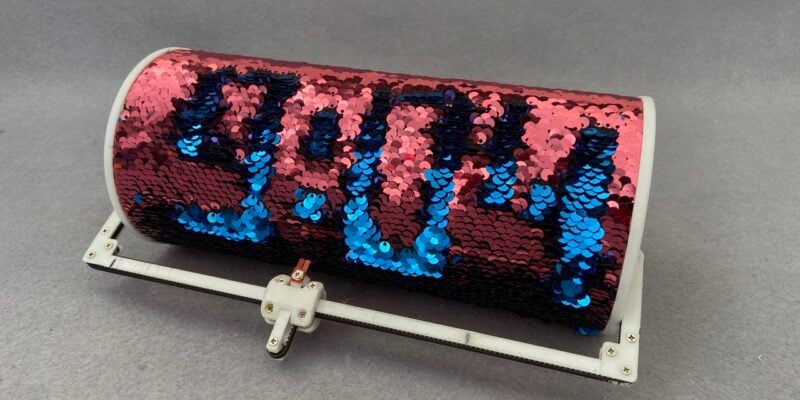
Sequino clock
This tricky build was inspired by a child’s t-shirt
Read more →
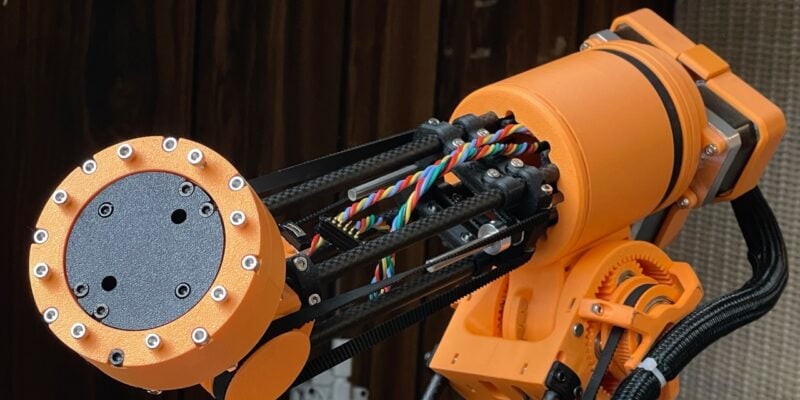
Use a robot to build a robot
This glorious, (mostly) 3D printed robot has six degrees of freedom.
Read more →
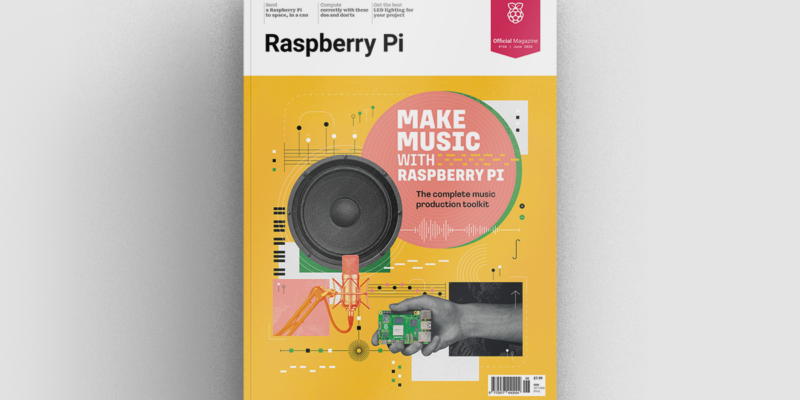
Make Music With Raspberry Pi in Official Raspberry Pi Magazine issue 166
Music production is an esoteric world of chin stroking and arguing over what kind of valve makes the best sound in a guitar amplifier – at least, it can be. Load up on software, bring your friends, and record your latest masterpiece on Raspberry Pi. We bring news from the world of 3D printing, where […]
Read more →