HDSP wristwatch
By Andrew Gregory. Posted

According to Ukrainian electronics designer Vitalii, the most basic microcontroller for a clock/watch would be an ATmega328 (as seen in the Arduino Uno). However, he wanted something more challenging for his latest build, and instead plumped for an ATtiny85. This unusual choice of microcontroller presented several challenges, not least of which is the fact that it only has five usable I/O pins.
With a six-digit, seven-segment display such as the HDSP-2000 (itself an unusual choice – he hasn’t made this easy), Vitalii needed to find a way to multiplex the signals coming out of the chip, multiplying the I/O signals with transistors until he had enough to control each of the segments in the display. The result is this wonderful wristwatch, the custom PCB that enables the ATtiny85 to control the display, and a great deep dive into multiplexing written up on Hackaday.io.

We’re seriously impressed by this feat of electronic engineering. If you are too and you want to try it yourself, we’d suggest that you start with a single seven-segment display, a breadboard, and go from there – this tiny form factor presents loads of difficulties, all of which have been overcome here with aplomb.

Features Editor Andrew trawls the internet for Cool Stuff while keeping the magazine running smoothly.
Subscribe to Raspberry Pi Official Magazine
Save up to 37% off the cover price and get a FREE Raspberry Pi Pico 2 W with a subscription to Raspberry Pi Official Magazine.
More articles
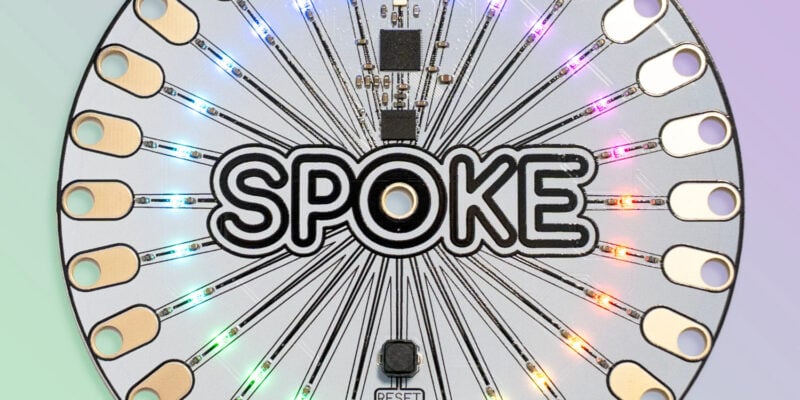
SPOKE review – programmable MIDI controller
An RP2040-powered touch controller for music and a lot more.
Read more →
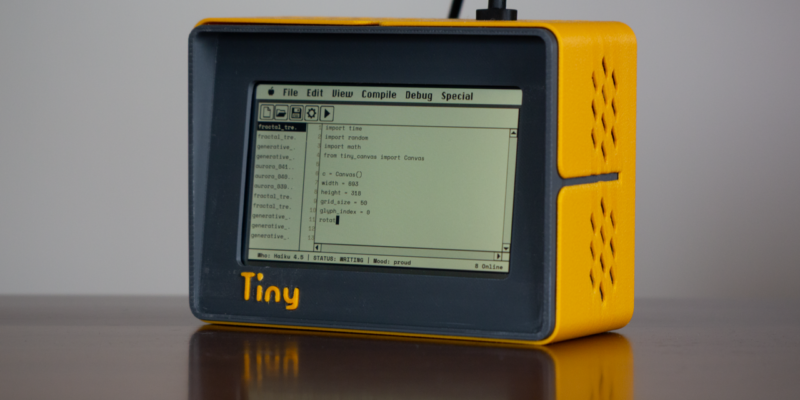
TinyProgrammer
Want a coding companion? TinyProgrammer lets you watch as it tinkers with Python all day. Sean McManus finds out how it works
Read more →

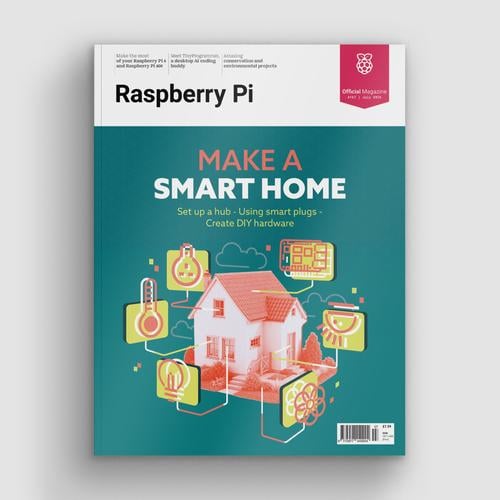
Make a Smart Home in Raspberry Pi Official Magazine issue 167
The dream of smart, connected devices controlling your home automatically, is especialy appealing on a lazy day when we’re trying to get work done in a heatwave. Maybe this will be the year we finally integrate temperature sensors with fans and a drinks dispenser to keep us cool, or maybe not, but we do know […]
Read more →