Artie the AI assistant
By Andrew Gregory. Posted

Andrew Schmelyun set out to create the most impractical AI assistant that he could make, and in the process created this device, which uses a portable TV set and a Raspberry Pi 4 to ask OpenAI for dinner recommendations. We’ve seen AI devices such as this before, and they always seem to veer between the awesome and the useless, but Artie has something that most other AI assistants lack: a face made up of HTML elements, animated by CSS. In case you hadn’t guessed, Andrew is a web developer.
The code for Artie is written entirely in vanilla JavaScript. The front end – the face – is a Safari browser window occupying the full screen of the Sony 510U 5-inch portable television, which Andrew bought for $39.99 on eBay. The audio is transcribed on a Raspberry Pi 4, again using the web browser, as is voice recognition, which comes via the MediaRecorder() constructor.
The transcribed question gets sent to an LLM – Andrew has opted for OpenAI. While code is flying back and forth across the internet, animations in the CSS show a thinking face, and when the text comes back from OpenAI, another browser API, SpeechSynthesis, is used to read it out.

Features Editor Andrew trawls the internet for Cool Stuff while keeping the magazine running smoothly.
Subscribe to Raspberry Pi Official Magazine
Save up to 37% off the cover price and get a FREE Raspberry Pi Pico 2 W with a subscription to Raspberry Pi Official Magazine.
More articles
Raspberry Pi Official Annual 2027 is out now!
New name, same fantastic content
Read more →
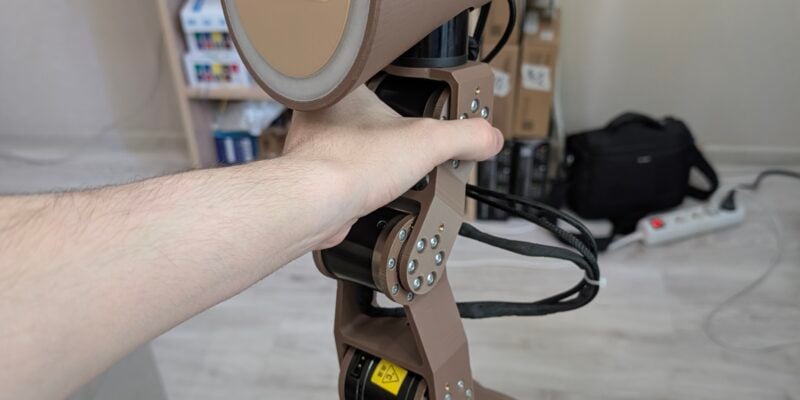
Robot arm lamp
This won’t be jumping on any animation studio logos
Read more →
Sage Cadence interview
An electrical engineering student trying to provide the educational content she would have wanted
Read more →