Picocomputer 6502
By Ashley. Posted

The MOS 6502 was an 8-bit microprocessor first introduced in 1975. It was the backbone of loads of classic computers and gaming consoles, including the Atari 2600, Nintendo Entertainment System, Commodore 64, and BBC Micro. And now you can get your get your hands on a computer that works the same way as those old machines did, which slots together with no soldering. It’s a miracle, and it’s brought to you by retro computing enthusiast Rumbledethumps.
The Picocomputer 6502 is truly open-source hardware: just download the design files from GitHub, send them to the PCB manufacturing service of your choice, slot in the components (which are all common and available from, among others, Mouser), and you’ve got a machine that will bring a tear to the eye of anyone who played with computers as a child of the ’80s.

The fact that anyone can build it themselves is testament to some brilliant design work by Rumbledethumps. And, of course, we’re delighted to see a pair of Raspberry Pi Pico microcontroller boards as part of the build.

Subscribe to Raspberry Pi Official Magazine
Save up to 37% off the cover price and get a FREE Raspberry Pi Pico 2 W with a subscription to Raspberry Pi Official Magazine.
More articles
Raspberry Pi Official Annual 2027 is out now!
New name, same fantastic content
Read more →
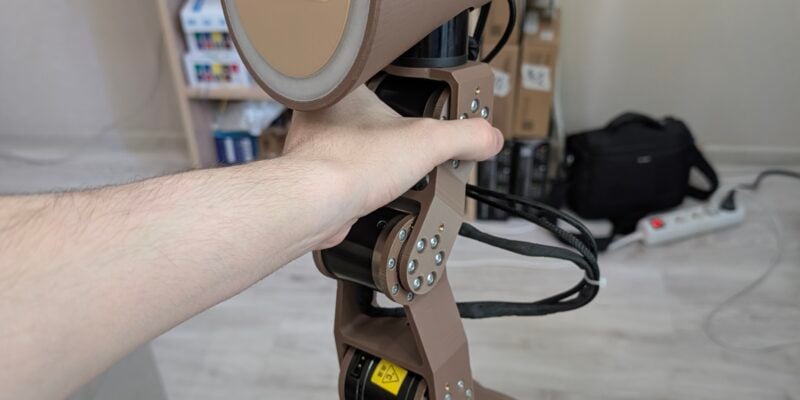
Robot arm lamp
This won’t be jumping on any animation studio logos
Read more →

Sage Cadence interview
An electrical engineering student trying to provide the educational content she would have wanted
Read more →