Pirate Audio: Dual Mic review
By Phil King. Posted

The Pirate Audio: Dual Mic (£24 / $27) is a bit different from Pimoroni’s other Pirate Audio boards. While the rest of the range are all about sound output, the latest addition concerns the capture of audio using two built-in microphones – since it lacks its own audio output, you have to rely on Raspberry Pi for that.

Take back control of your online data, with Raspberry Pi.
This mini HAT looks very similar to other Pirate Audio products, with an integrated 1.3-inch colour LCD screen surrounded by four push-buttons. Located on either side of the board are two tiny digital microphones. These feature a SiSonic acoustic sensor, a serial ADC (analogue to digital converter), and an interface to convert the signal into the industry-standard 24-bit I2S format. In our tests, we found that they recorded sound with crystal-clear quality, although the mics aren’t that far apart so the stereo effect is limited.
Portable clip recorder
To make use of the Pirate Audio: Dual Mic, you’ll need to download the software; this involves entering three commands in a Terminal window to make all the necessary configuration changes behind the scenes.

One of two Python code examples is an FFT (Fast Fourier transform) program that shows the levels of various sound frequencies on a graph. The other is a simple audio clip recorder which uses the tactile buttons to record, play, skip, and delete clips. Playback (using PulseAudio’s ‘upmix’ feature to avoid resampling) is via HDMI by default and we couldn't get it to output through Raspberry Pi’s AV jack unless we played the clips separately with OMXPlayer. Portable playback is problematic on a Raspberry Pi Zero (which lacks AV output), too, so you’ll need to use Bluetooth or also attach an audio board using something like the HAT Hacker HAT.
Verdict
8/10
High-quality audio capture in a small package that might be useful for a portable recorder or voice assistant project. It lacks its own audio output, though.

When not editing books and contributing to The MagPi, Phil enjoys playing the piano (badly), astronomy, and watching classic sitcoms.
Subscribe to Raspberry Pi Official Magazine
Save up to 37% off the cover price and get a FREE Raspberry Pi Pico 2 W with a subscription to Raspberry Pi Official Magazine.
More articles
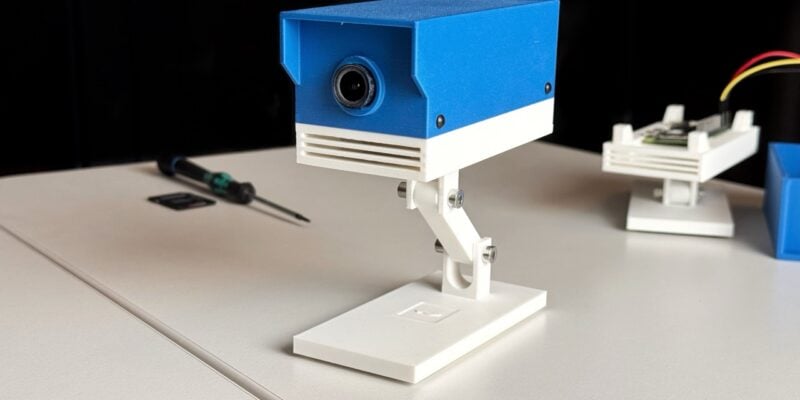
ROOT Observer: a privacy-focused security camera
Get AI features without having to share your data with gigantic corporations.
Read more →

8BitDo 64 Controller review
A near perfect replica of the original N64 controller, but laid out for modern sensibilities and comfort.
Read more →
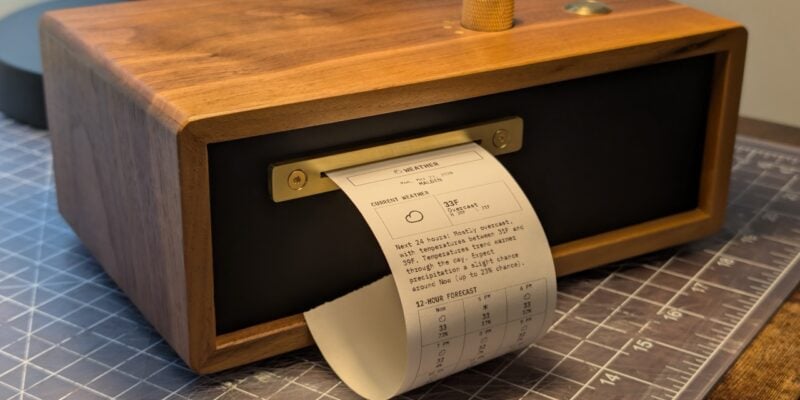
Paper console
Look at those physical controls! This device is built to be beautiful: it’s made out of walnut and brass.
Read more →