Raspberrarium terrarium
By Andrew Gregory. Posted
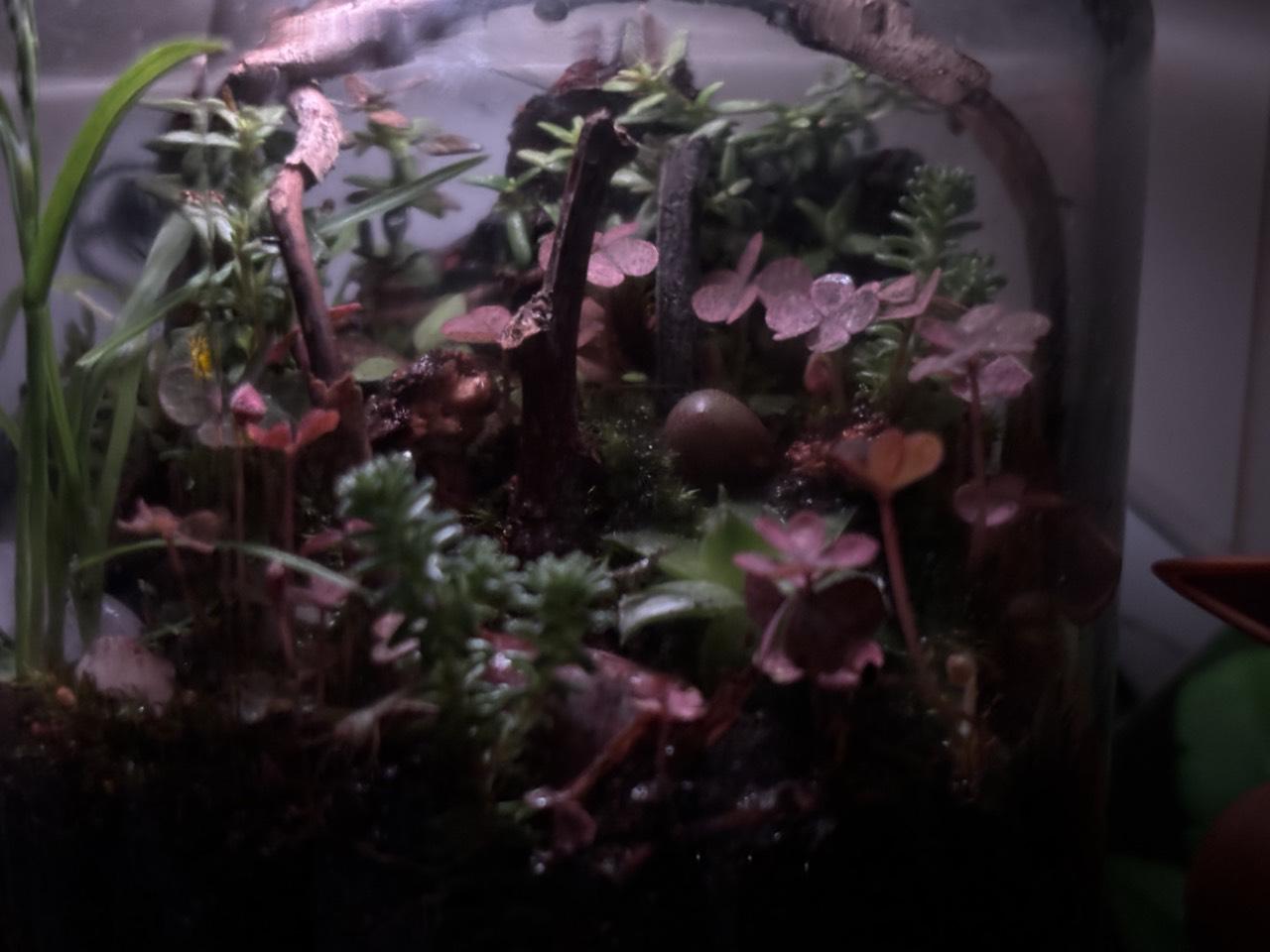
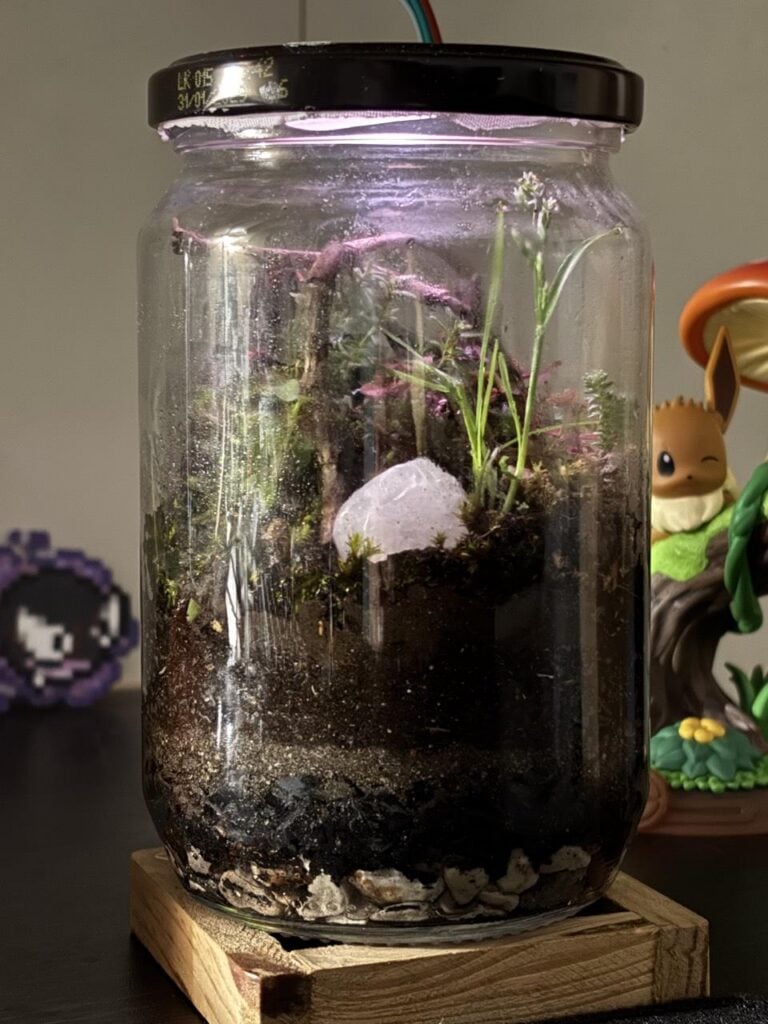
A terrarium is typically a glass container, sealed to air and moisture, that provides a static environment for plant specimens. They were fist used by botanist Nathaniel Bagshaw Ward, who accidentally left a cabinet open and found that a fern spore has found its way in and had germinated; after that stroke of good fortune they were used to transport living species on long sea voyages, including between Australia and Britain.
Make beautiful beats with the complete Raspberry Pi music production toolkit.
Mommotti’s Raspberrarium takes this simple concept one step further. By adding a Raspberry Pi and just two WS2812 LEDs, the Raspberrarium can accurately simulate, according to the maker: “a real daylight cycle (sunrise, noon, sunset), real moon phases during the night, [and] a smooth 24-hour light progression with minute-accurate transitions.” What that means is that even if your terrarium is in a part of your house with little natural light, it will still get the light that it would if it were outside. Even cleverer, the pair of LEDs mean that Raspberrarium can simulate the waxing and waning of the moon.

Features Editor Andrew trawls the internet for Cool Stuff while keeping the magazine running smoothly.
Subscribe to Raspberry Pi Official Magazine
Save up to 37% off the cover price and get a FREE Raspberry Pi Pico 2 W with a subscription to Raspberry Pi Official Magazine.
More articles

Meet the new member of the documentation team at Raspberry Pi
Welcome to the team Steve Davies!
Read more →
Flight watch
Using Raspberry Pi Zero to figure out what’s flying overhead
Read more →
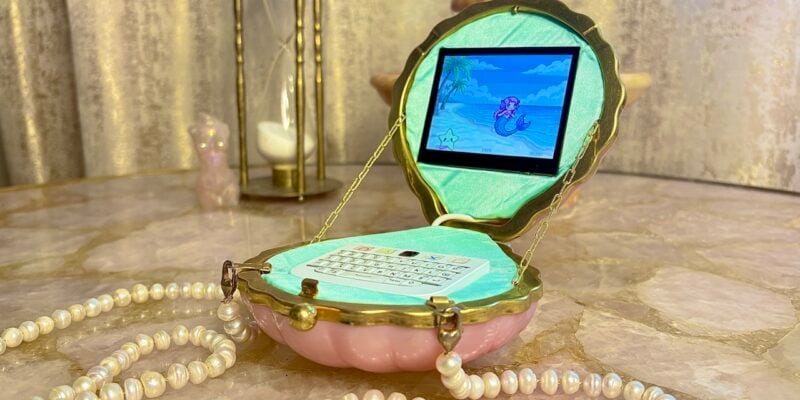
Mermaid in the shell
Satin and real freshwater pearls complete the look for the mermaid who needs root access in style
Read more →