RFID Floppy Disk Reader
By Rob Zwetsloot. Posted

Old-looking tech with futuristic properties is a popular concept in media these days, so much so that we’re surprised this is one of the first projects like this we’ve seen.
“My project was taking an old 1988 word processor and repurposing it into a gaming emulator with a Raspberry Pi,” creator Dylan Blake tells us. “I wanted to utilise the floppy disk drive with RFID tags to initiate the software and have a working power button for added effect.”
We’ve covered an RFID-based record player that did something similar with vinyls, but it wasn’t built into an old piece of tech like this. “I came up with the idea by realising I didn’t have a cool case to put my emulator in, and I really dig all things retro,” Dylan explains. “I found this device for $20 on a marketplace app and thought it would be awesome to work with.”

Breathing new life
The way the system works makes it feel almost like a classic computer, albeit a bit faster.
“When you click the tactile power button, you are briefly greeted with a retro splash screen and then cute computer ASCII art prompting to insert a floppy disk,” Dylan says. “You fumble around for your favourite game handwritten on a 3.5-inch floppy, insert it into the floppy disk bay, and your game immediately starts up. If you don’t know what game you want to play, you can insert the ‘All’ floppy to access the RetroPie game menu (of course, using the 8-bit theme).”
Dylan chose Raspberry Pi to power this for all the familiar reasons – a good size, easy access to GPIO pins, and it also allowed him to get more comfortable with Linux. “Raspberry Pi has fascinated me for years, and I probably have five of them at this point for various projects.”

Old-school cool
We’re big proponents of learning things when building projects, and as well as getting more experience with Linux, Dylan learnt how to use RFID tags and readers in the process, which we think is a cool skill. It wasn’t his first choice, though.
“I have a USB floppy reader that I would like to utilise instead of the RFID tag reader for look and feel,” he admits. “But right now I like the ease of use of the RFID reader.”
He says the reactions he’s received from it completely validate why he did it: “It was very popular on Reddit where I originally shared it, and my family loves how niche and fun it is! I especially like that my two-year-old son enjoys playing with it, albeit poorly. The only negative feedback I’ve received is that I repurposed a device that was already working. My counter to that is the word processor was only good for typing documents and saving them to floppies. Repurposing it has given life to this old tech, even if it’s just the aesthetics of the original device.

Rob is amazing. He’s also the Features Editor of Raspberry Pi Official Magazine, a hobbyist maker, cosplayer, comic book writer, and extremely modest.
Subscribe to Raspberry Pi Official Magazine
Save up to 37% off the cover price and get a FREE Raspberry Pi Pico 2 W with a subscription to Raspberry Pi Official Magazine.
More articles
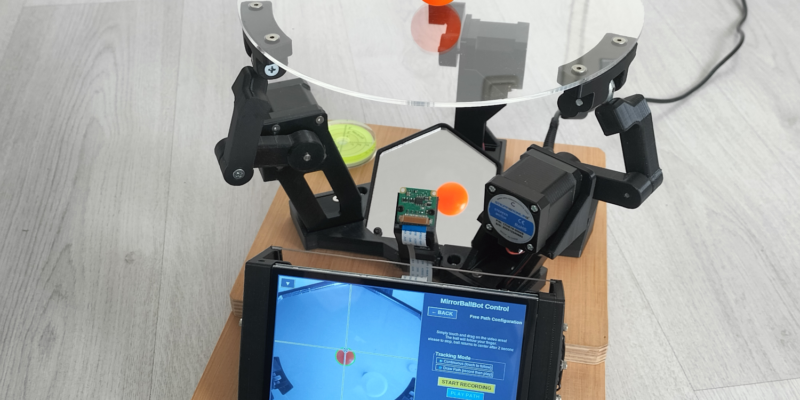
MirrorBallBot
This trick uses no smoke but it does use mirrors
Read more →
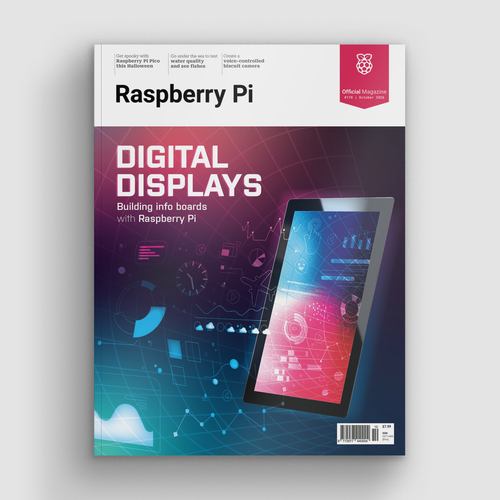
Digital Displays in Raspberry Pi Official Magazine 170
Some projects seem more like magic to us than anything else; here’s one of them. This robot by Italian engineer/magician Andrea Favero uses a mirror to widen the field of vision of a Raspberry Pi Camera Module 3, the input from which is processed by Raspberry Pi 4 and used to control three legs to […]
Read more →
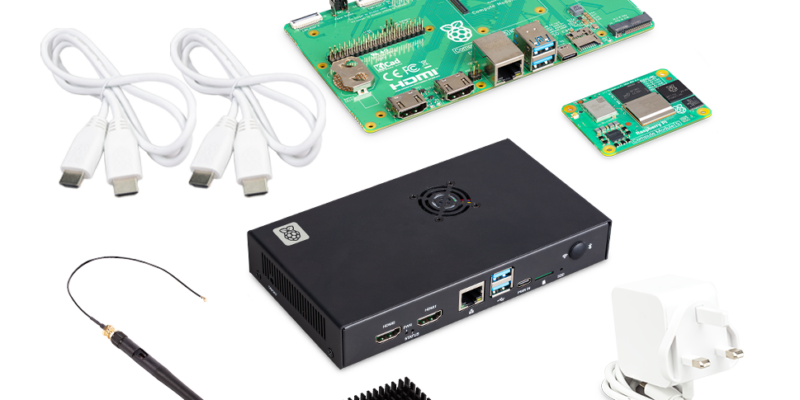
Win a Development Kit for Compute Module 5
Make CM5 development easier with our competition
Read more →