ChessCoreXY
By Andrew Gregory. Posted
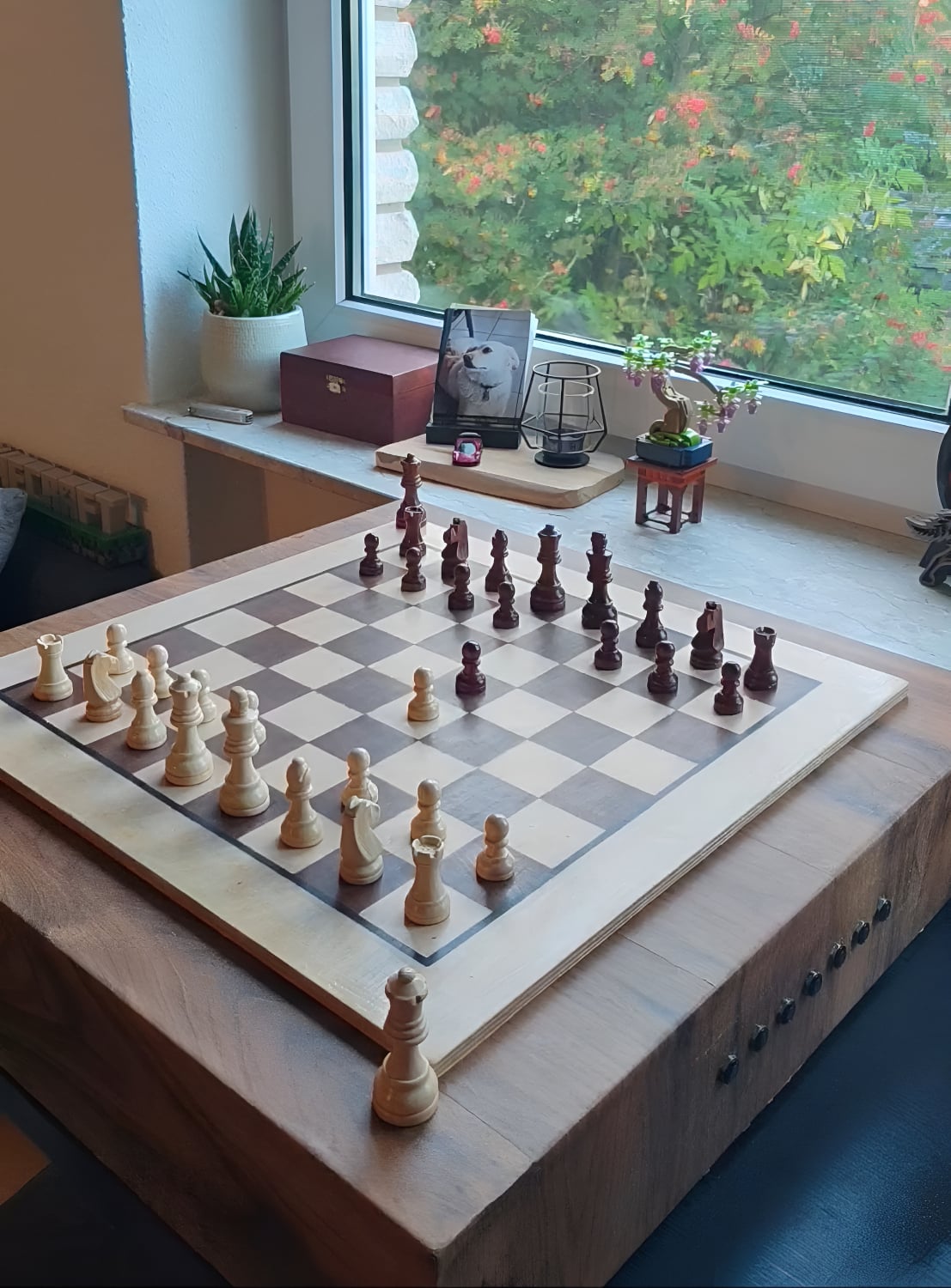
Chess is the game of kings; a chess set (or an app on your phone) is also either very cheap, or free. The barrier to entry is low, and wherever you are in the world there will be players at your level against whom you can test your skills.

Ask an Engineer – exclusive advice from the brains behind Raspberry Pi
We’re sure we read something once about there being more possible games of chess than there are atoms in the universe, though with our rudimentary skills we’re unlikely to ever scratch the surface. With that level of complexity it’s astounding that anyone has built a robot to play chess, but that’s exactly what Johannes Kindler has done. Like many of us, Johannes finds something lacking in staring at pixels, so resolved to build his own physical way to play chess against a computer.
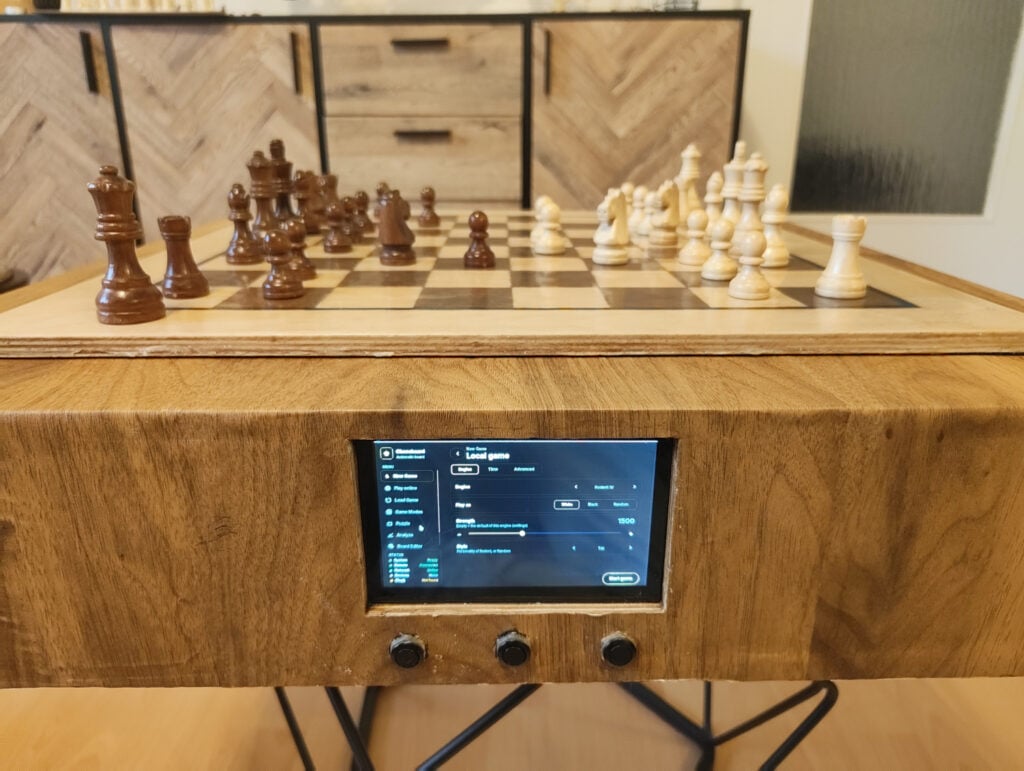
He planned his requirements at the start of the project and found that he needed to base his machine on something that would be capable of accepting voice commands; something with an I2C bus, so he could connect custom PCBs loaded with sensors; something with enough grunt to run chess engines, and yet with a small enough form factor that it would fit under the chessboard and not interfere with the CoreXY mechanics moving the chess pieces around; and something that included Wi-Fi, Bluetooth, and a GUI. That something, you won’t be surprised to learn, was a Raspberry Pi 5 2GB.

Features Editor Andrew trawls the internet for Cool Stuff while keeping the magazine running smoothly.
Subscribe to Raspberry Pi Official Magazine
Save up to 37% off the cover price and get a FREE Raspberry Pi Pico 2 W with a subscription to Raspberry Pi Official Magazine.
More articles
Cardputer Zero review
Adorable and powerful handheld terminal powered by Compute Module Zero
Read more →

Ask an Engineer in Raspberry Pi Official Magazine issue 172
It’s not just our engineers who are building things: Kat Shann, documentation specialist at Raspberry Pi, has built an intriguing way to commune with the spirit world via a Raspberry Pi-controlled ouija board. Inspired by the cyber-pet craze of the 1990s, Tara Carter has built her own, using a Raspberry Pi Zero 2 W to […]
Read more →
Win a CrowView Note & Raspberry Pi 5
Portable Raspberry Pi computing
Read more →