Cyberdeck Projects in Raspberry Pi Official Magazine 168
By Andrew Gregory. Posted
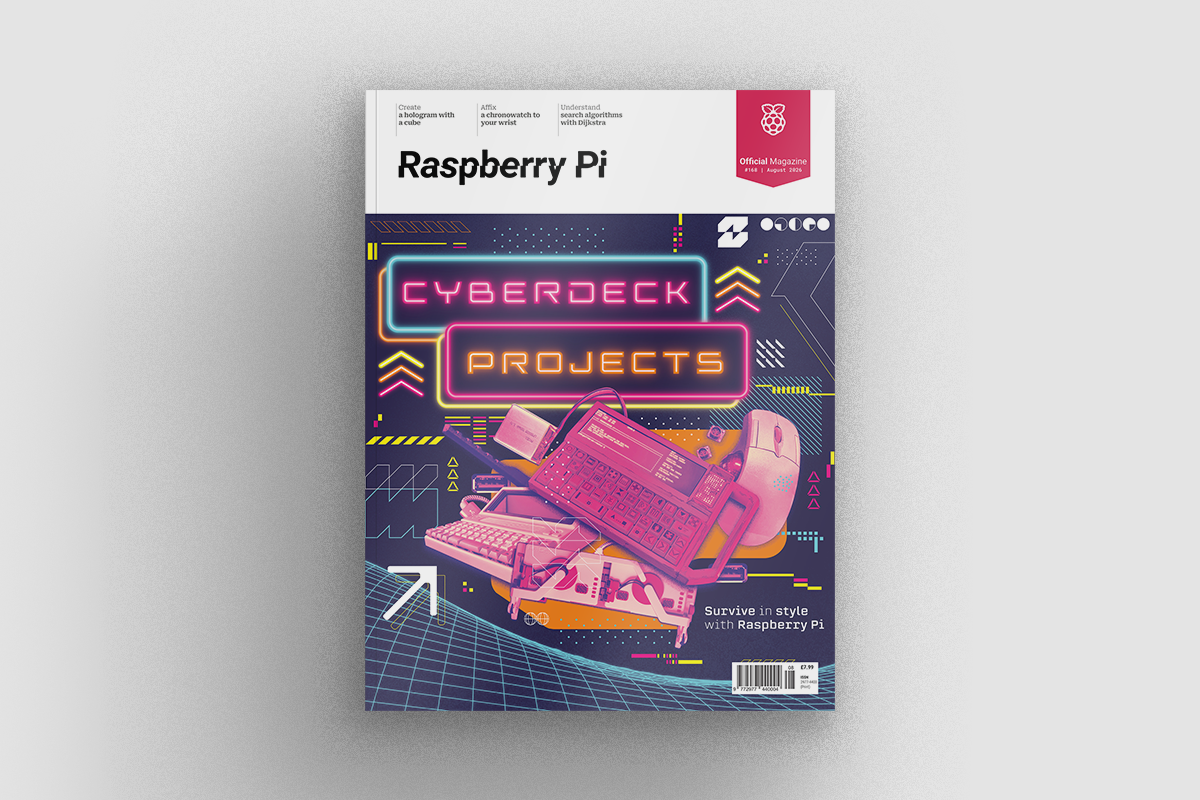
In a world in which everything is customised, why do most of us stick with the same tablets, laptops and smartphones that everyone else uses? That’s the question that’s been bugging us ever since we discovered the Cyberdeck. These customised, rough-and-ready computers take the DIY aesthetic and add portable computing power, usually via Raspberry Pi. We’ll take a tour of some of our favourites, and get you started on building your own.

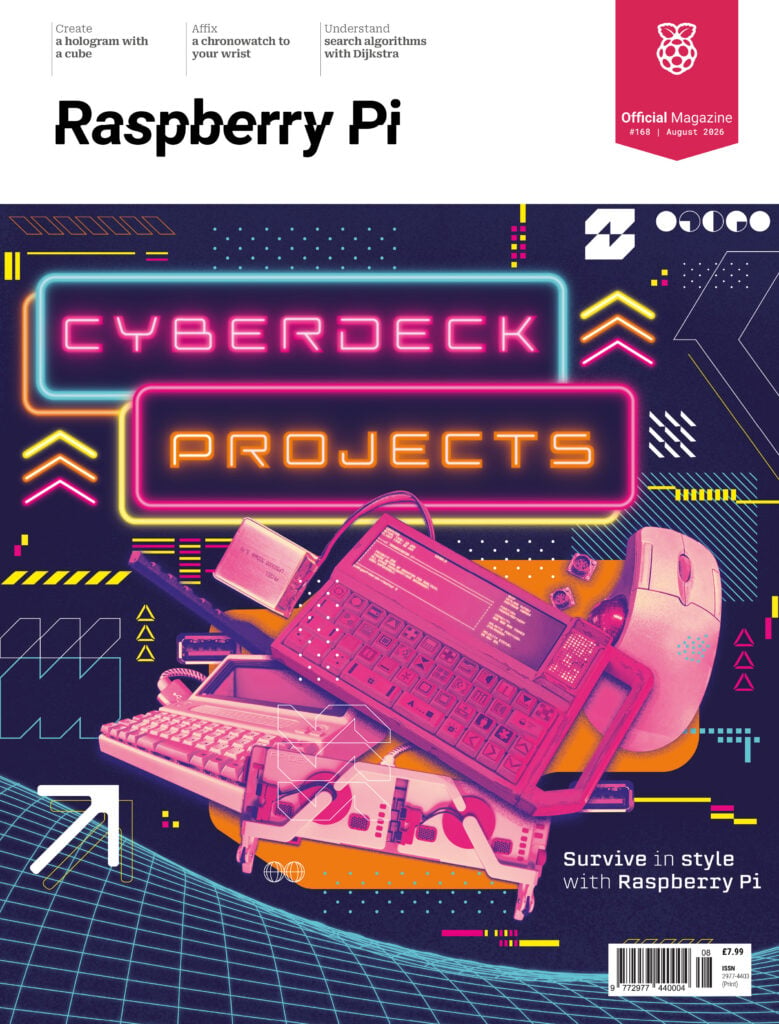
Cyberdecks: because DIY computers are loads of fun, and making them look like survival tools for a post-apocalyptic wasteland is extremely cool. We’ll take a look at some of the most impressive builds out there, explore what goes in to making one, and finally we’ll show you how to build your own.
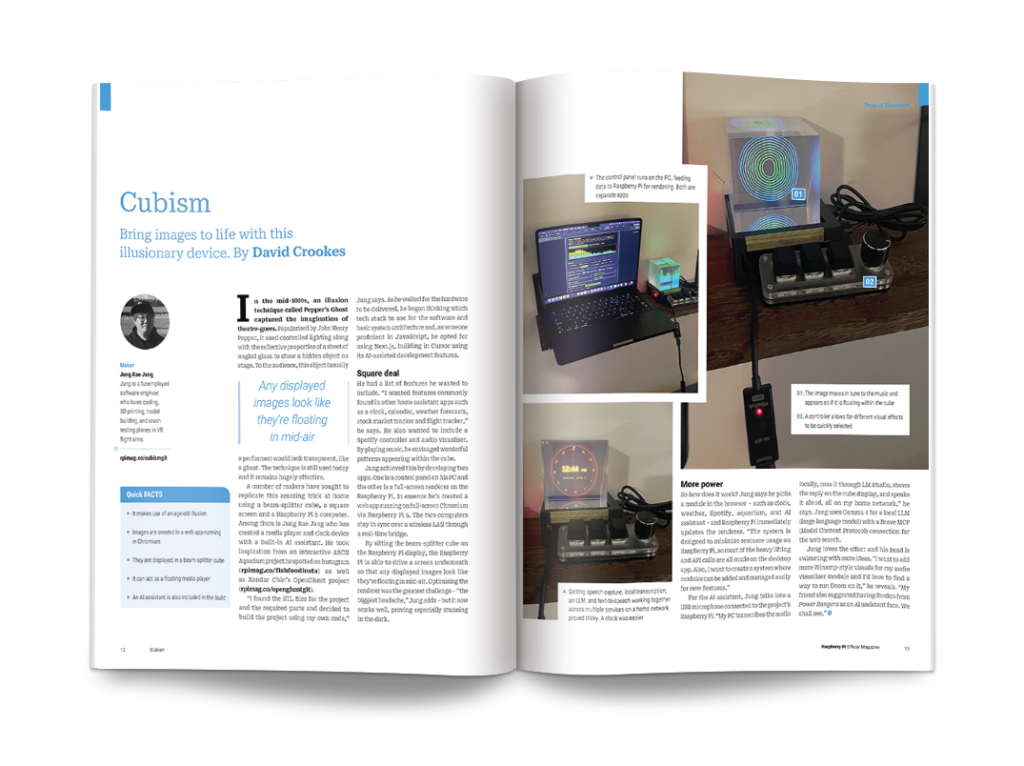
Pixels on a screen are so boring – why not represent data as being trapped in a floaty cube? That’s what Jung Rae Jang has done with Cubism, a fresh new take on the Pepper’s Ghost stage illusion. It’s wibbly, it’s wobbly, and it uses Raspberry Pi 5.
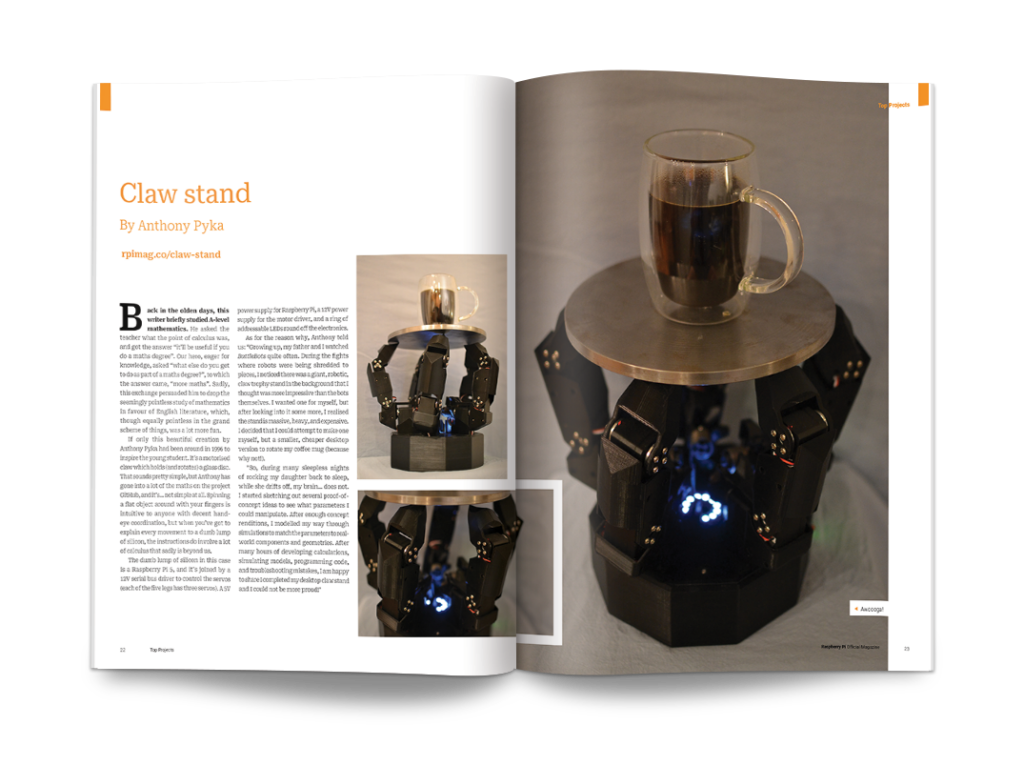
With 15 servos, Raspberry Pi 5, and the inspiration that comes from having watched BattleBots as a kid, Anthony Pyka has built a robotic claw that revolved a disc. It’s clever, it’s beautiful, and it’s got us thinking about refreshing the ornaments in Raspberry Pi Towers.
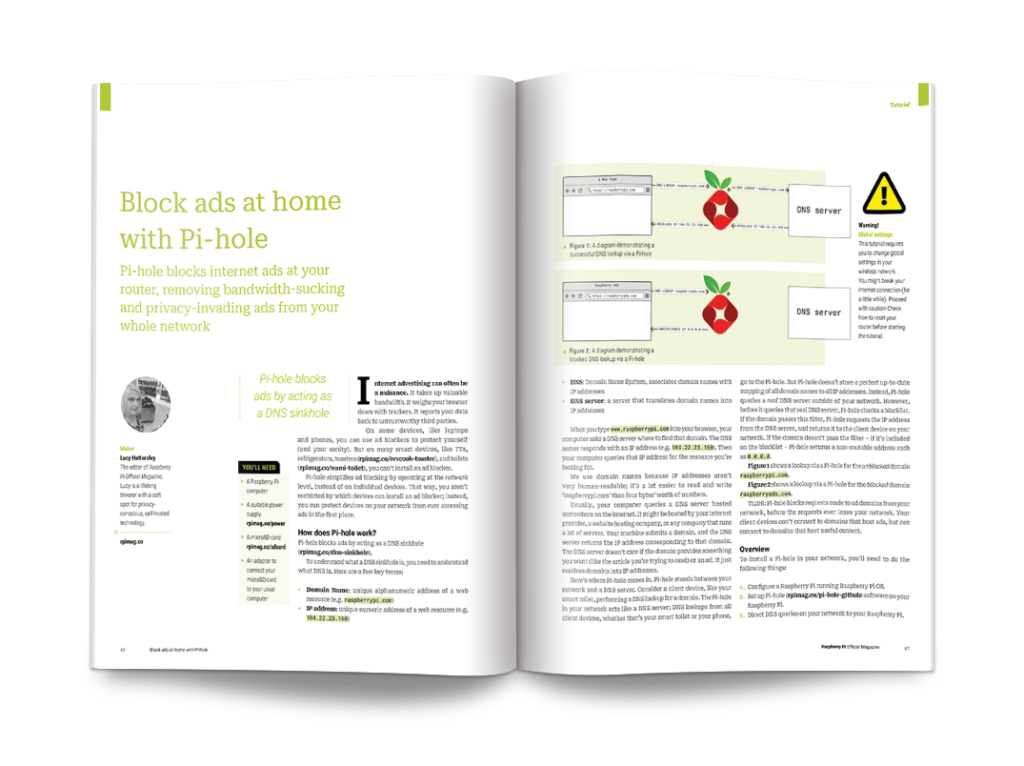
Capitalism is pretty good at creating cool stuff for us to play with, but it’s also very in-your-face. If you’re sick of advertising that tracks and monitors your every click online, you might want to try the Pi-hole ad blocker. We’ll show you how to install and set it up on Raspberry Pi.
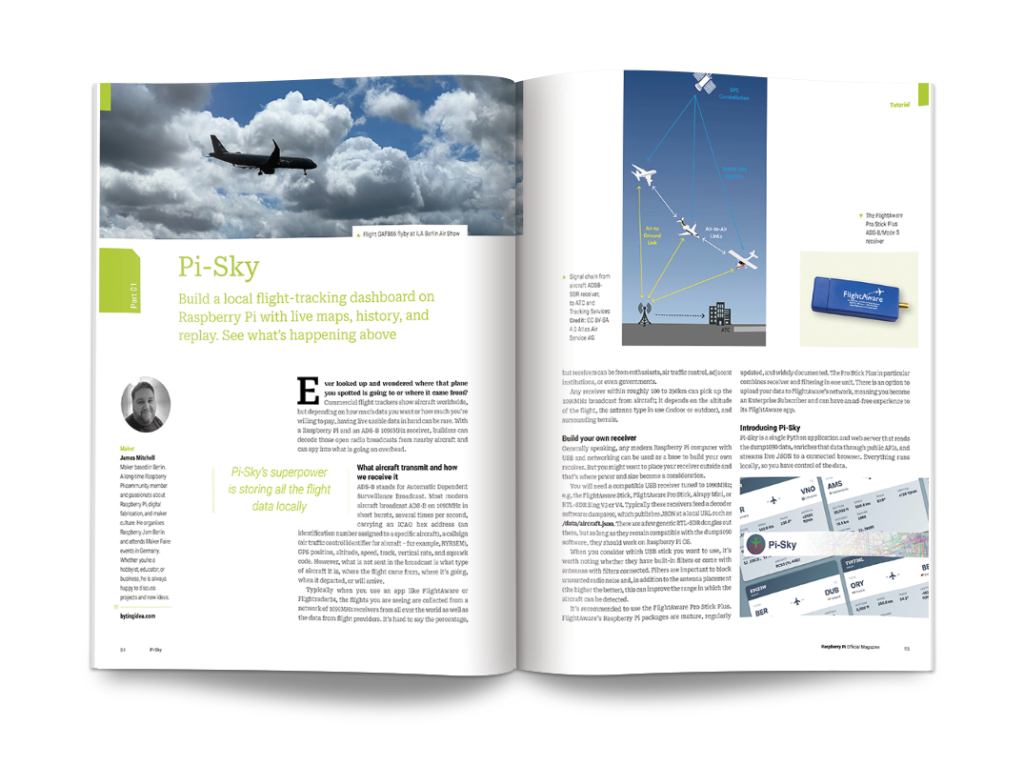
Build a local flight-tracking dashboard on Raspberry Pi with live maps, history, and replay. It’s especially useful on football transfer deadline day, or to keep track of the celebrities taking their private jets to climate change conferences.
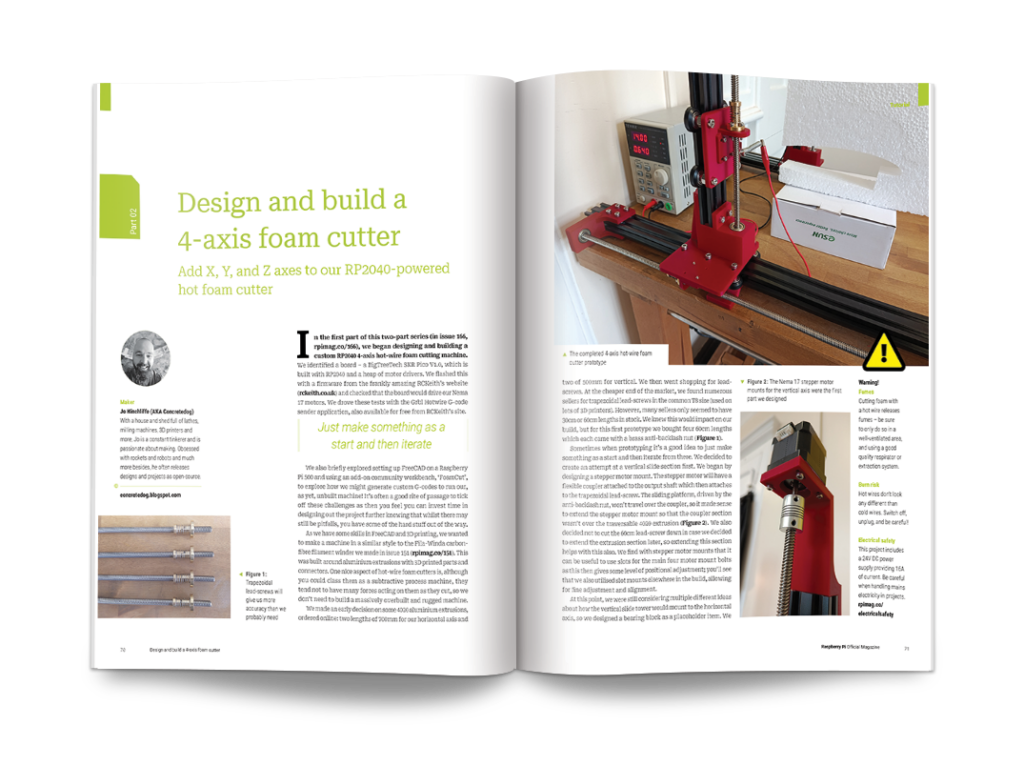
Some builds are simple, some builds are… not at all simple, like this four-axis CNC foam cutter, a rather scary machine for making repeatable, programmable cuts in styrofoam. It’s a brilliant example of what happens when a need meets open hardware – and it’s controlled by a Raspberry Pi Pico.
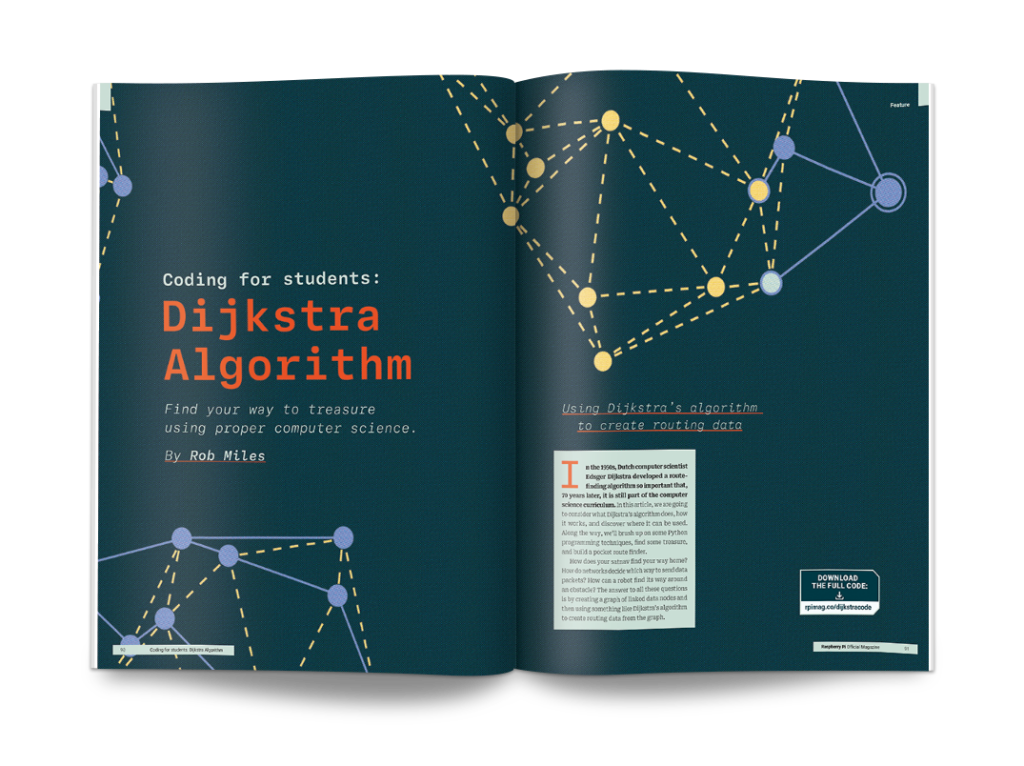
Computing is such a recent innovation that you don’t have to look too far back to get a handle on all the important technology that makes it possible. Take Dijkstra’s algorithm, for instance. Edsger Dijkstra came up with it in the 50s, and it’s still taught to computer science students today as a way of working out the shortest way of going from A to B. Anyone can get to grips with this foundational piece of computer science, with Rob Miles’ tutorial, and Raspberry Pi.
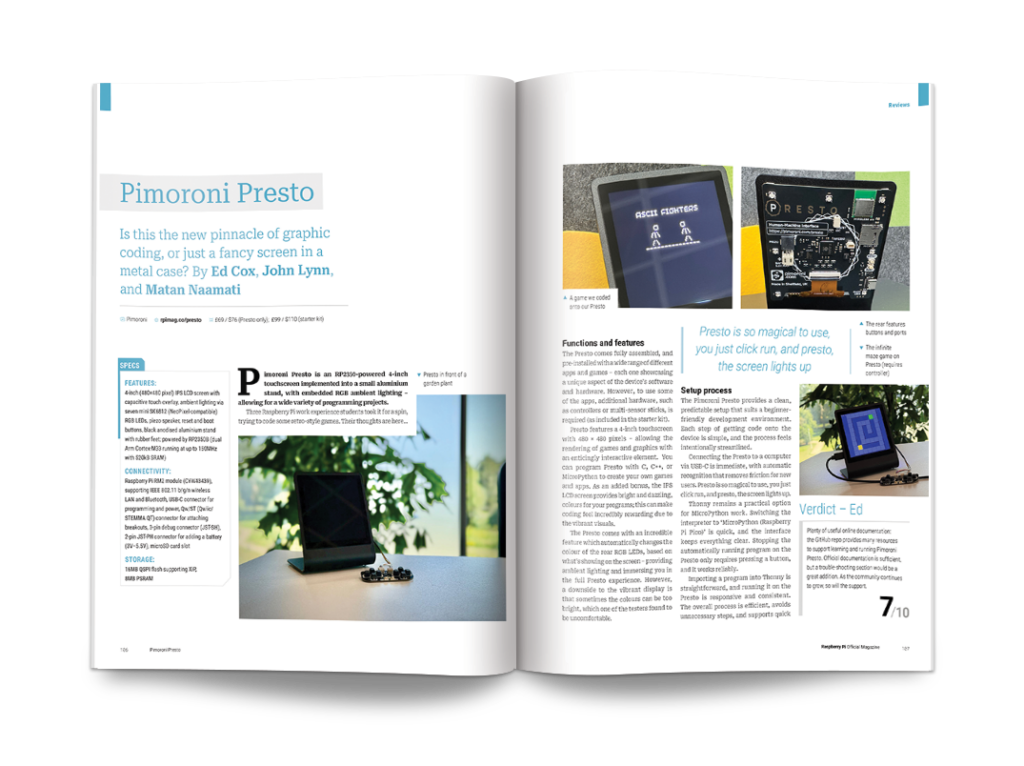
We also bring news of a new human-machine interface from Pimoroni, featuring an RP2350 chip, loads of pixels, and programmable to an absurd degree.
There’s all this, and more, in Raspberry Pi Official Magazine issue 168. Buy it here, or subscribe to never miss an issue.

Features Editor Andrew trawls the internet for Cool Stuff while keeping the magazine running smoothly.
Subscribe to Raspberry Pi Official Magazine
Save up to 37% off the cover price and get a FREE Raspberry Pi Pico 2 W with a subscription to Raspberry Pi Official Magazine.
More articles
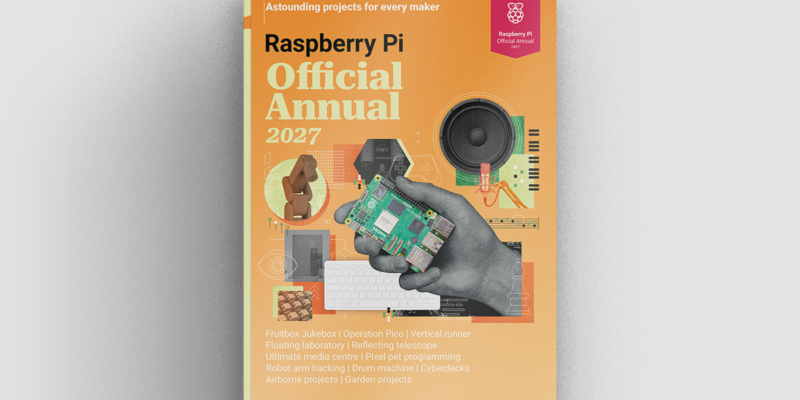
Raspberry Pi Official Annual 2027 is out now!
New name, same fantastic content
Read more →
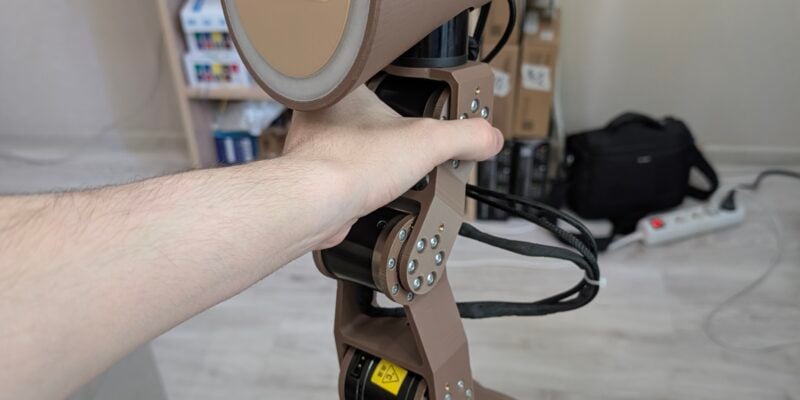
Robot arm lamp
This won’t be jumping on any animation studio logos
Read more →

Sage Cadence interview
An electrical engineering student trying to provide the educational content she would have wanted
Read more →