ESP32-powered plant monitor
By Ben Everard. Posted
This article was originally published as part of HackSpace magazine, which has since been incorporated into Raspberry Pi Official Magazine.

We’ve seen plant monitors many times before now, but this one, by self-taught electronics tinkerer Ovidiu, is worth a closer look. First of all because its creator is self-taught: if you can imagine it, you can build it; the only downside of being self-taught is that it’ll probably take you longer than it would if you knew what to do/where to look.

Ovidiu’s used an ESP32 and an e-ink display to create a plant monitor with an impressive eleven days battery life (longer if you run it without the display), and kept electronic components off the soil probes so that they are cheap to replace should they break/get stolen by foxes. The machine monitors temperature, soil moisture levels, humidity, light levels and more, and shares data via Wi-Fi or Bluetooth.

Ben is the Editor of HackSpace magazine. When not wrangling words, he enjoys cycling, gardening, and attempting to identify wild mushrooms.
Subscribe to Raspberry Pi Official Magazine
Save up to 37% off the cover price and get a FREE Raspberry Pi Pico 2 W with a subscription to Raspberry Pi Official Magazine.
More articles
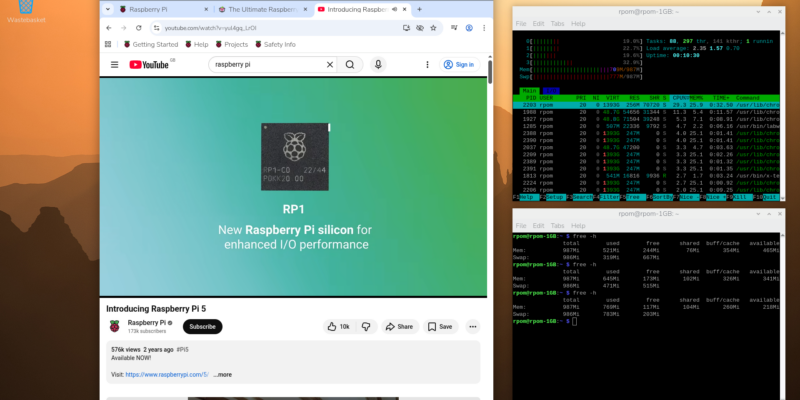
Make your RAM go further – Raspberry Pi OS memory optimisation tips
In issue 164 of Raspberry Pi Official Magazine we have been playing around with the new Raspberry Pi 5 1GB RAM. While the RAM shortage caused by the demands of AI infrastructure is annoying beyond belief, this has been a great chance for us to really get to grips with RAM. Generating images in Stable […]
Read more →
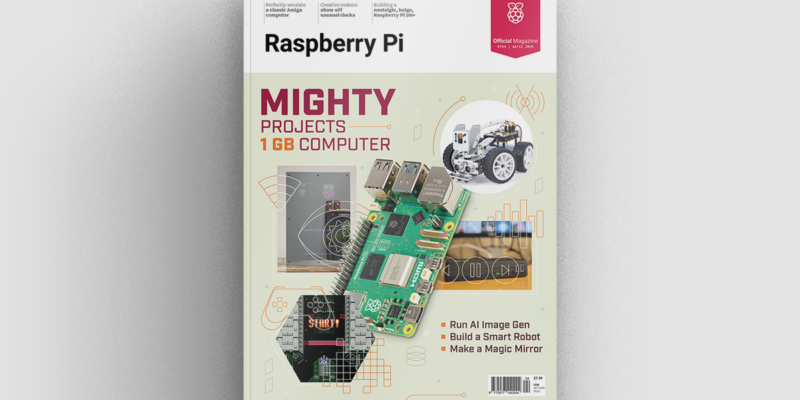
Mighty Projects – 1GB Computer in Raspberry Pi Official Magazine 164
It’s normal for computers to get faster and more pwerful, but the new-ish Raspberry Pi 5 1GB is a step in the other direction: it has all the processing power and the same GPIO pins of its more costly siblings, but with only 1GB of RAM it’s at a price that’s friendlier on the wallet […]
Read more →
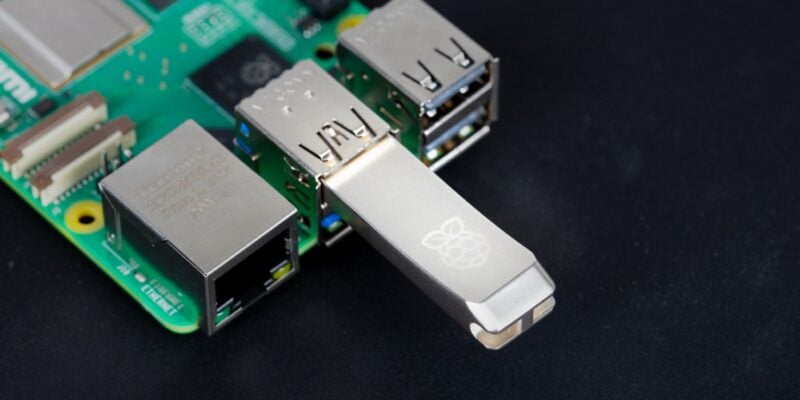
Win one of five 256GB Raspberry Pi Flash Drives
If you’ve been around long enough, you know that every Raspberry Pi accessory is top quality, and the latest Flash Drive is no different. Fancy a big one? We have five up for grabs, and you can enter below… Win 1 of 5 256GB Raspberry Pi Flash Drives
Read more →