HAL 9000
By Andrew Gregory. Posted
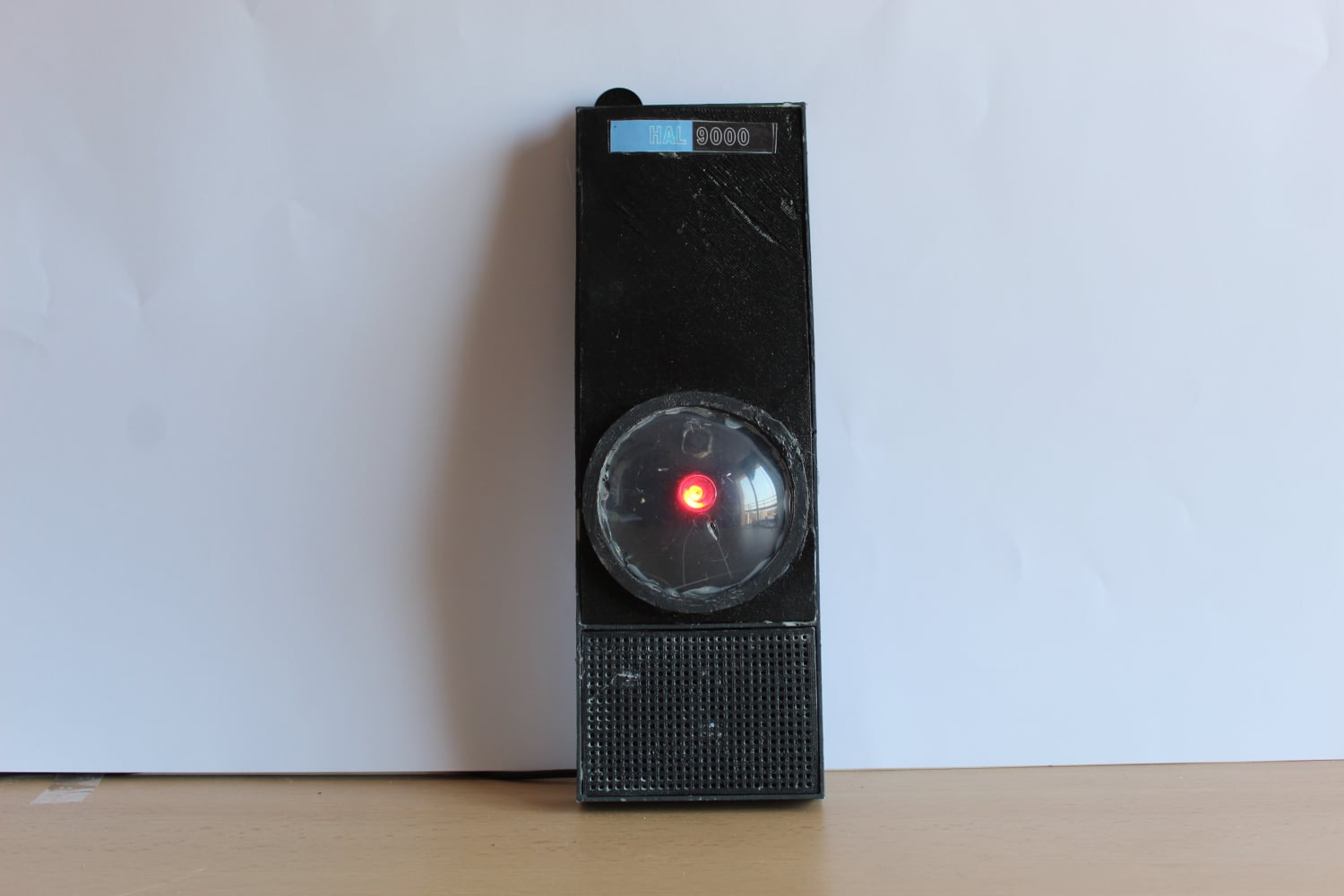
AI assistants are a common project. Raspberry Pi sits in the room with you, listening for commands, translating speech to text, and sending text queries to your AI of choice using that service’s API. When the answer comes back from the planet-killing data centres, Raspberry Pi runs it through a text-to-speech engine, and Bob’s your uncle: you have a working AI assistant, with all the actual AI outsourced.
What’s often confused us is why more people don’t take their inspiration from the original AI assistant: HAL 9000, the creepy, disembodied voice of the ship’s computer from 2001: A Space Odyssey. We were therefore delighted to discover this AI assistant by Jan Aranda Arcas, aka Withoutsleep_dev. We asked Jan about his build; here’s what he said: “I chose Raspberry Pi because I wanted HAL to be easy for anyone to build while still serving as a useful hardware interface. It handles receiving the AI’s responses, playing the audio, and recording the user’s voice before sending it to the Python script running on the main computer. The Raspberry Pi offers a great balance of performance, low power consumption, affordability, and excellent community support. Over the years, its community has made it an incredible platform for projects like this.
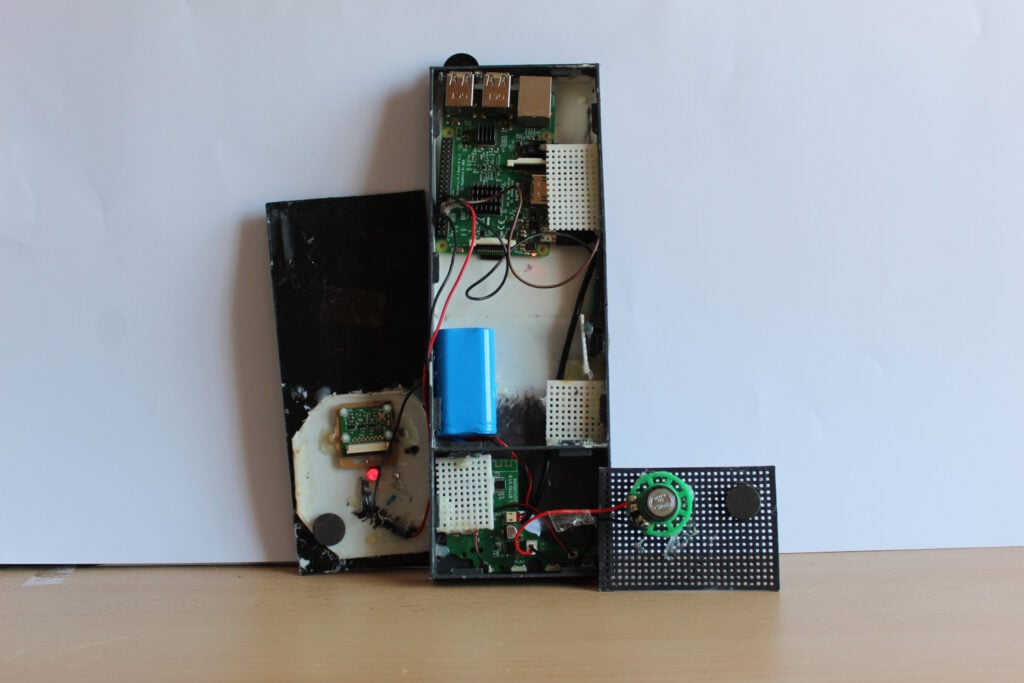
“I also have a personal reason for choosing it. I received this Raspberry Pi as a gift from a friend of my father’s, who encouraged me to experiment and build interesting projects. HAL 9000 ended up being the perfect project for it.”

Features Editor Andrew trawls the internet for Cool Stuff while keeping the magazine running smoothly.
Subscribe to Raspberry Pi Official Magazine
Save up to 37% off the cover price and get a FREE Raspberry Pi Pico 2 W with a subscription to Raspberry Pi Official Magazine.
More articles
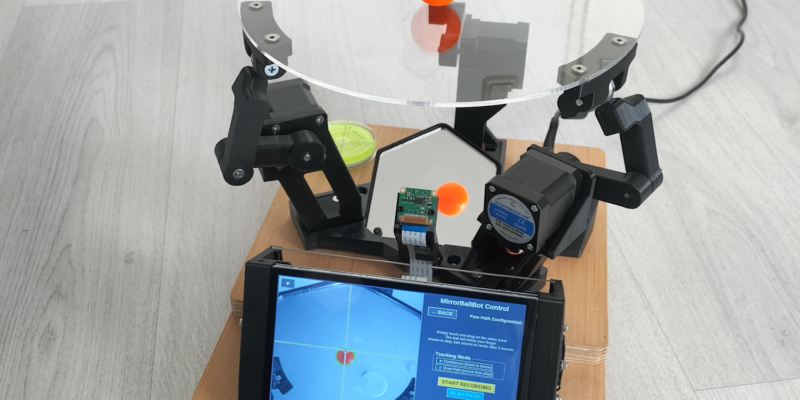
MirrorBallBot
This trick uses no smoke but it does use mirrors
Read more →
Digital Displays in Raspberry Pi Official Magazine 170
Some projects seem more like magic to us than anything else; here’s one of them. This robot by Italian engineer/magician Andrea Favero uses a mirror to widen the field of vision of a Raspberry Pi Camera Module 3, the input from which is processed by Raspberry Pi 4 and used to control three legs to […]
Read more →
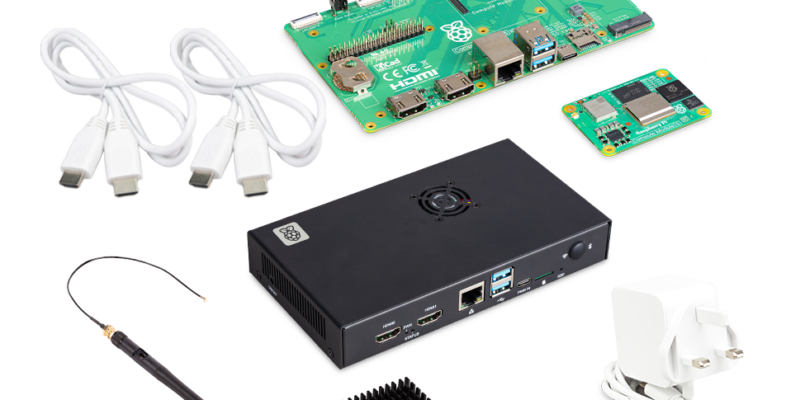
Win a Development Kit for Compute Module 5
Make CM5 development easier with our competition
Read more →