Nybble: the open-source kitten
By Lucy Hattersley. Posted

Raspberry Pi robotic cat leaps onto IndieGogo. By Lucy Hattersley
Back in The MagPi issue 68 we reported on OpenCat AI, a Raspberry Pi project by Chinese roboticist Rongzhong Li. Fulfilling his dream to make the project self-supported, it has been renamed Nybble and Li has taken it to Indiegogo.
Nybble has met its crowdfunding target and there are currently fourteen days left to get involved.
Nybble is the lightest and fastest robotic cat that really walks. Built on an open source platform, Nybble has endless possibilities in the way you can “teach” tricks, behaviors, and CAT-itude as you program it and help it grow. You can even mount a Raspberry Pi to help Nybble think!
Nybble is also the first product of OpenCat, the most respected DIY project on Hackster.io. Check out how Nybble would grow up to, and make friends by communicating with other Nybble owners!
Nybble: The OpenCat Raspberry Pi robotic cat
An Arduino-compatible controller called NyBoard V0 is used to handle the motion of Nybble’s legs. NyBoard sits on top of a Raspberry Pi, which controls higher-level functionality (“perception and decision-making”). The cat's frame is now made of wood. “The wisdom of traditional Chinese woodwork was borrowed to make the major frame screw-free,” explains Li. After assembly, you’ll need some coding ability to fine-tune the walking. The OpenCat software is being developed with community support, and you can take a look at it OpenCat on GitHub.
According the the Nybble crowdfunding page:
You can program in your favorite language, and direct Nybble walk around simply by sending short commands, such as “walk” or “turn left”! Stick with the included software, find hacks and customizations from the worldwide community, or push the envelope and write your own mods. Think up your own look and bring it to life with paint, craft supplies, 3D printing, or whatever else feels right.
There's no mention of Alexa support though, and the build doesn't feature a microphone (unlike the OpenCat AI project). However, we imagine it's fairly easy to add these components and support later. Also, the project seems to be more geared to a professional robotics audience.
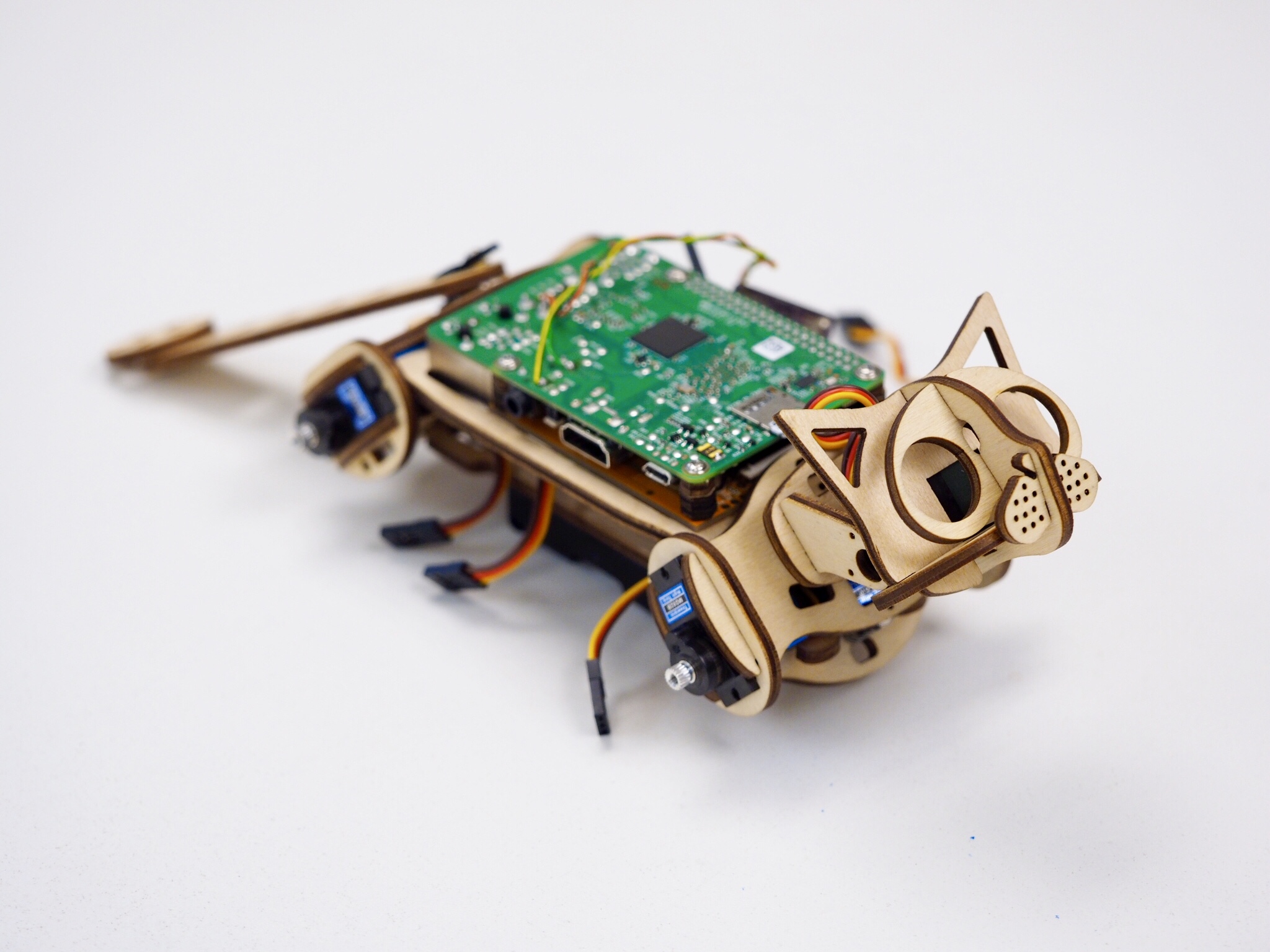
Training Nubble to walk
Nybble's IndieGoGo page is keen to stress the project's serious credentials. Getting Nybble to walk may not be as straight-forward as many users imagine but the project draws comparison between itself and high-profile robotics projects like Boston Dynamics.
Nybble is adorable, but it’s still a precise instrument. To make it walk, it takes patience and precision. To help you through the challenges, we also include a nice gadget, the “L” tuner for calibrating your Nybble at times. Just turn Nybble to calibration mode and align the observation windows, type proper calibrations and Nybble will remember them at once.
We know that with Nybble, we can break the barrier between those million dollar quadruped robots and individual makers. Nybble will also be less intimidating to kids who want to learn about robotics, programming, and making in general.
Impressed with Boston Dynamics robots? Why not try Nybble first?
The Nybble project is still in the prototype stage, and as with all crowdfunded projects we can't vouch for the quality of final product (or the owner's ability to meet production).
Lucy is Editor of Raspberry Pi Official Magazine.
Subscribe to Raspberry Pi Official Magazine
Save up to 37% off the cover price and get a FREE Raspberry Pi Pico 2 W with a subscription to Raspberry Pi Official Magazine.
More articles
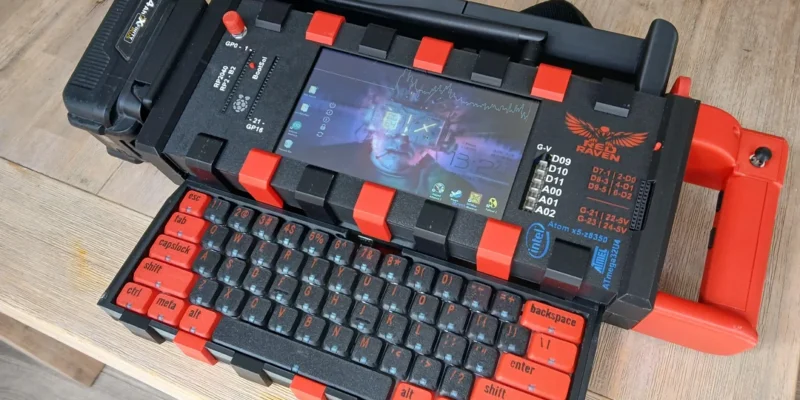
Red Raven cyberdeck
Powered by drills
Read more →
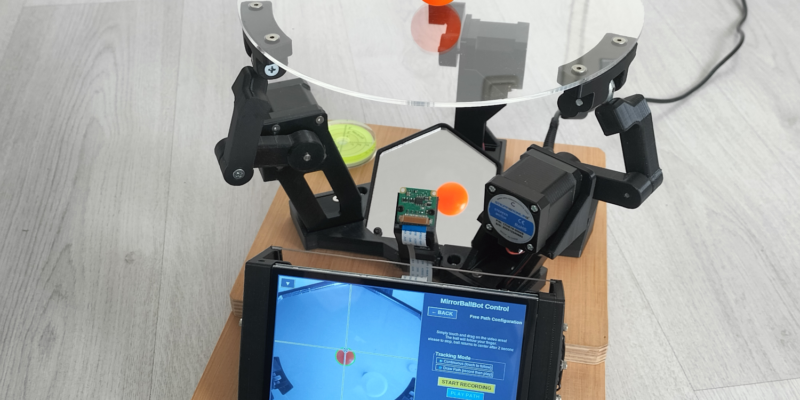
MirrorBallBot
This trick uses no smoke but it does use mirrors
Read more →
Digital Displays in Raspberry Pi Official Magazine 170
Some projects seem more like magic to us than anything else; here’s one of them. This robot by Italian engineer/magician Andrea Favero uses a mirror to widen the field of vision of a Raspberry Pi Camera Module 3, the input from which is processed by Raspberry Pi 4 and used to control three legs to […]
Read more →