Objet 3d’art: Wankel engine
By Andrew Gregory. Posted
This article was originally published as part of HackSpace magazine, which has since been incorporated into Raspberry Pi Official Magazine.
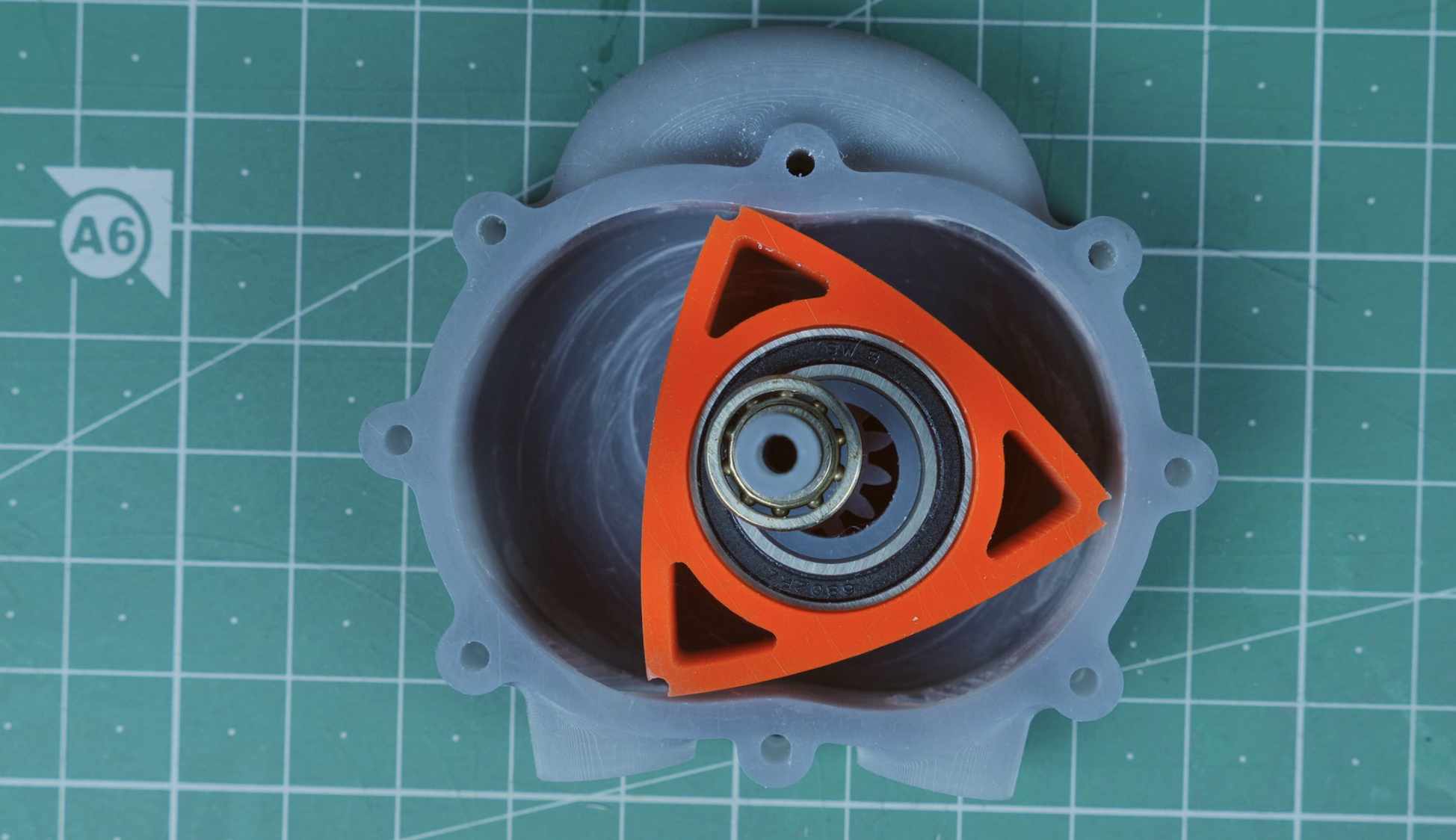
Instead of pistons moving up and down, with a crank to convert linear motion into rotary motion, a Wankel engine uses a triangular rotor that turns within a chamber. As the triangle rotates, different areas within the chamber get compressed. When petrol and air are injected, and the mixture ignited, the triangle spins fast enough to power a car, motorbike, or aircraft. Wankel engines have advantages (high power-to-weight ratio, low
vibration) and disadvantages (poor fuel efficiency, a tendency to break down if not maintained) compared with standard piston engines, but we like them mainly because of the clever, original design – which also translates well into 3D printing.
Joel Gomes has created this 3D-printed model of a Wankel engine, which fits together well enough that it functions as an engine – though instead of using exploding hydrocarbons, he’s elected to use compressed CO2. Joel had to adapt a quick-release valve, tapping a thread to add an electrically controlled release mechanism to enable him to release the gas into the Wankel engine remotely. It’s currently powering a remote-controlled car, in a brilliant mix-up of 3D printing and steampunk.

Features Editor Andrew trawls the internet for Cool Stuff while keeping the magazine running smoothly.
Subscribe to Raspberry Pi Official Magazine
Save up to 37% off the cover price and get a FREE Raspberry Pi Pico 2 W with a subscription to Raspberry Pi Official Magazine.
More articles
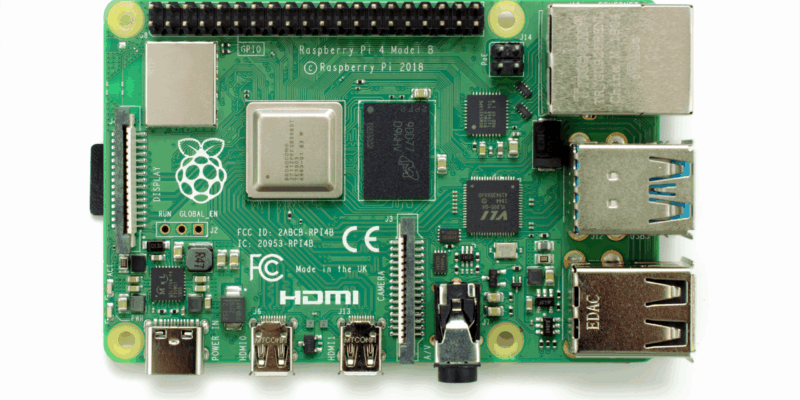
Win one of three Raspberry Pi 4 with 3GB RAM!
Raspberry Pi 4 is still a powerful piece of kit, and this new 3GB version is great for projects and builds that need slightly more than 2GB of RAM but don’t quite need 4GB. We have three to give away and you can enter below. Win 1 of 3 Raspberry Pi 4 3GB
Read more →
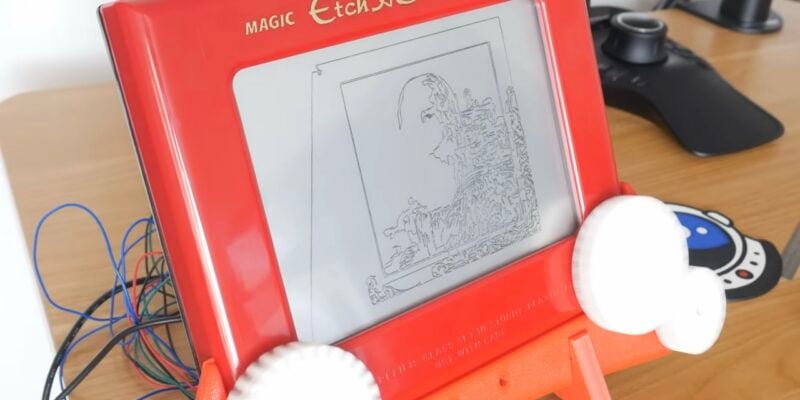
Etch A Sketch CNC machine
The software controlling the Etch A Sketch logs the image, turns it into vectors, turns the vectors into G-code, then sends the G-code to the Etch A Sketch – and it was all written by AI
Read more →

Vintage Radio Plex Server
There’s an antenna sticking up on this build, but it’s just for show
Read more →