Raspberry Pi Pico calculator
By Ben Everard. Posted
This article was originally published as part of HackSpace magazine, which has since been incorporated into Raspberry Pi Official Magazine.

It’s a cliché that the team that landed the first spacecraft on the moon did so using no more computing power than you can get in a modern calculator. One of the first things students do when they’re learning to program is to build calculator applications, so why not take that one step further and build an actual, physical calculator, like Anil has done, here?

The bill of materials is small: just a Raspberry Pi Pico, some surface-mount buttons, an OLED display, a LiPo battery and charge circuitry, and a custom, single-layer PCB. Wrap it all up in a 3D-printed case and you’ve got a great physical computing build.


Ben is the Editor of HackSpace magazine. When not wrangling words, he enjoys cycling, gardening, and attempting to identify wild mushrooms.
Subscribe to Raspberry Pi Official Magazine
Save up to 37% off the cover price and get a FREE Raspberry Pi Pico 2 W with a subscription to Raspberry Pi Official Magazine.
More articles
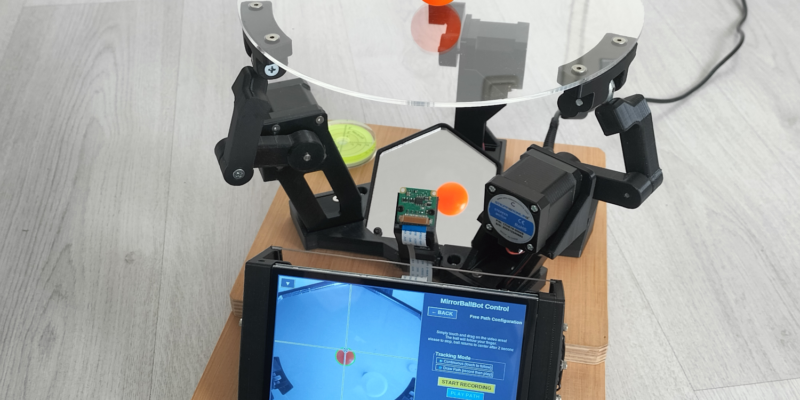
MirrorBallBot
This trick uses no smoke but it does use mirrors
Read more →

Digital Displays in Raspberry Pi Official Magazine 170
Some projects seem more like magic to us than anything else; here’s one of them. This robot by Italian engineer/magician Andrea Favero uses a mirror to widen the field of vision of a Raspberry Pi Camera Module 3, the input from which is processed by Raspberry Pi 4 and used to control three legs to […]
Read more →
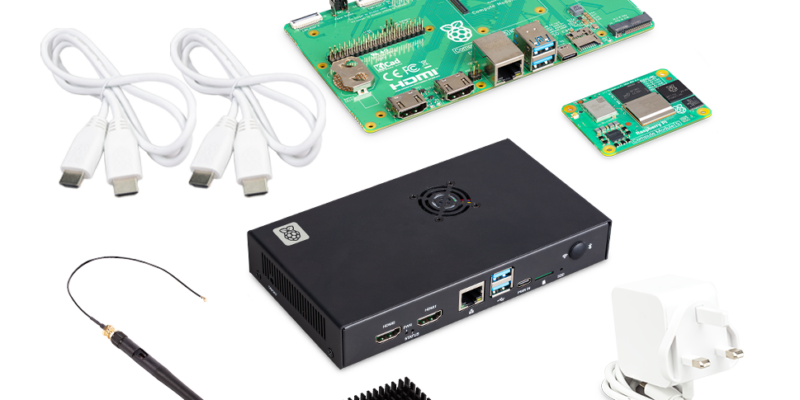
Win a Development Kit for Compute Module 5
Make CM5 development easier with our competition
Read more →