Raspberry Squid LED kit review
By Russell Barnes. Posted

An RGB LED that makes learning code quick and fun, while also being useful for other projects
Make beautiful beats with the complete Raspberry Pi music production toolkit.
One of the first things people usually do with physical computing is work out how to light an LED. A pinout, a resistor, and a ground pin are all you need to get it to work on a Raspberry Pi – and the coding can be done in many ways, depending on what language you’re using. The Raspberry Squid Combo Pack takes this concept and allows you to go even further with it by adding buttons and an RGB element to the LED.
The full article can be found in The MagPi 44
The Squid makes everything very easy to get started with; it comes pre-made so that the relevant resistors are in place and it has female pins so you can attach it straight to the Raspberry Pi. There’s even a handy overlay for the GPIO so you know where everything is supposed to go.
There are many coding examples available for the LED which rely on a central squid.py library – this acts a lot like GPIO in that you just need to tell it what you want the LED to do, without too much setting up of the GPIO pins in Python. There are many examples to go through and learn from; with a little bit of poking around in squid.py (and even in GPIO Zero), you can figure out how to use it a little more manually.
There are also a couple of chunky red push buttons that come with the full combo pack, so that you can add interaction to scripts. There are some example programs and a library for them as well, which just use the button on their own; however, it should be pretty easy to figure out how to get everything working together to create your own cool little displays. Even when you’re done with the original learning side of the components, they’ll be good for other projects and can easily be repurposed.
The Squid Combo Pack is a great little kit that, while maybe a touch steep price-wise, features some great components and tools that will be useful for years to come.
Last word
4/5
A great beginner’s set for learning physical computing that can easily be used for any other projects you might have in the future.

Russell runs Raspberry Pi Press, which includes The MagPi, Hello World, HackSpace magazine, and book projects. He’s a massive sci-fi bore.
Subscribe to Raspberry Pi Official Magazine
Save up to 37% off the cover price and get a FREE Raspberry Pi Pico 2 W with a subscription to Raspberry Pi Official Magazine.
More articles

Learning to code in an AI age
A new Raspberry Pi Foundation course helps young people learn to code.
Read more →
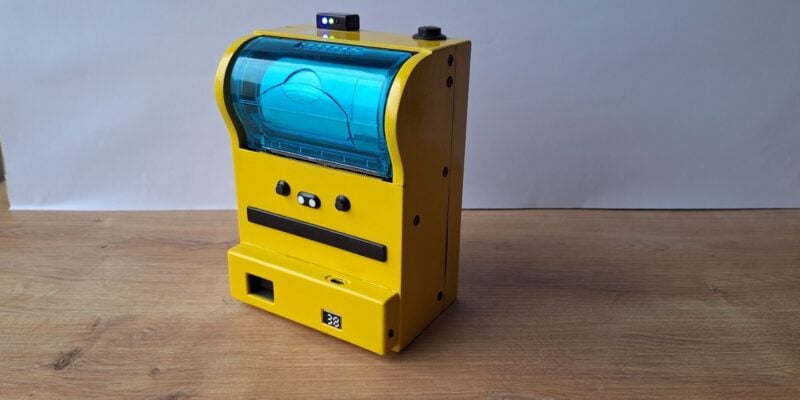
Poor man’s Polaroid camera
There’s something really big and chunky about this build that we find reassuring
Read more →
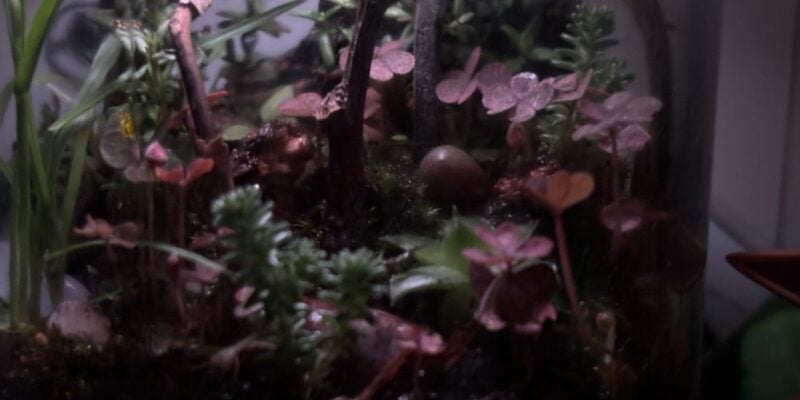
Raspberrarium terrarium
Control the seasons and phases of the moon with your own tiny ecosystem
Read more →