Retro gaming in Raspberry Pi Official Magazine 169
By Andrew Gregory. Posted
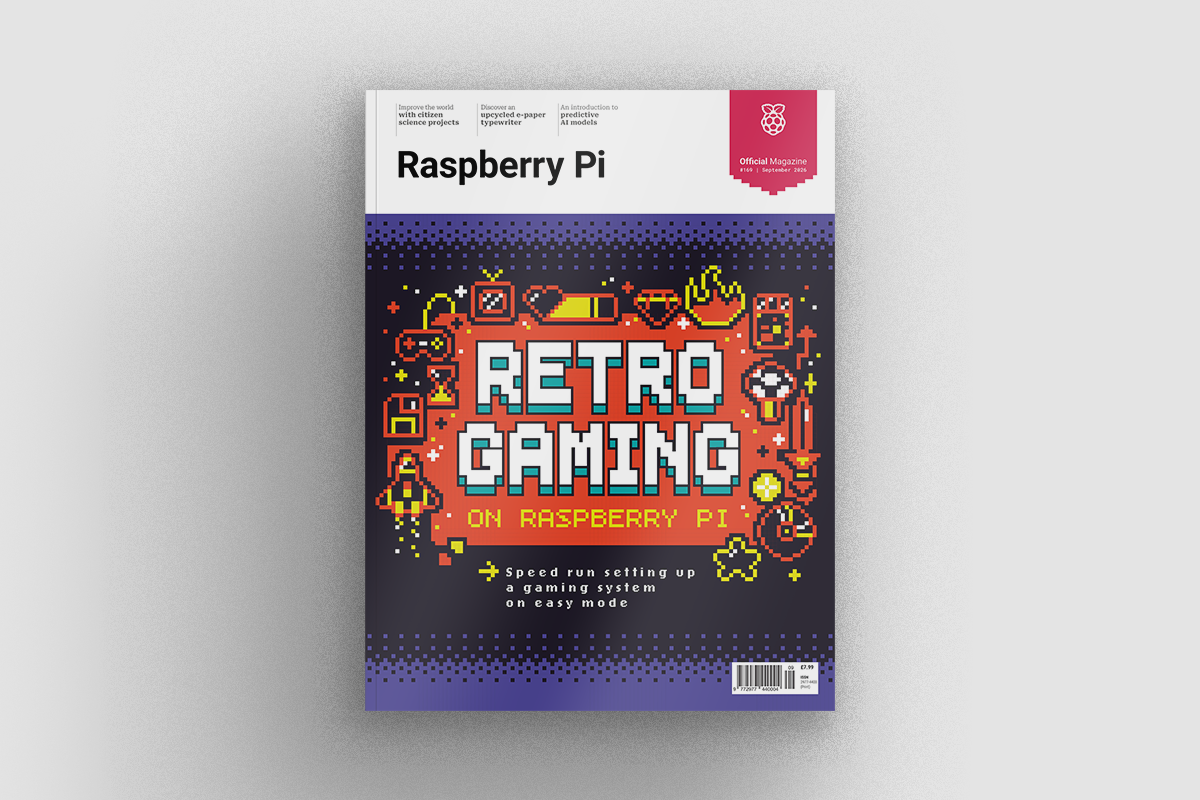
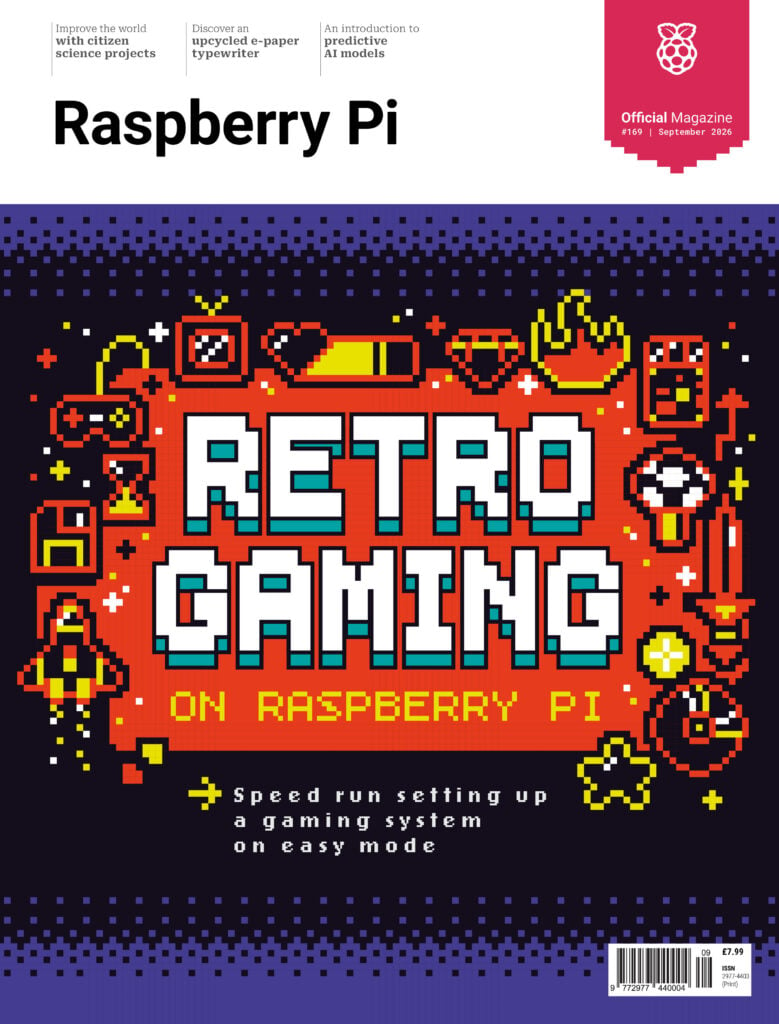
Retro gaming on Raspberry Pi: a chance to relive the games of your youth. Or if you’re too young to remember the Nintendo Entertainment System, Sega Mega Drive and Amiga, relive the games of someone else’s youth instead.
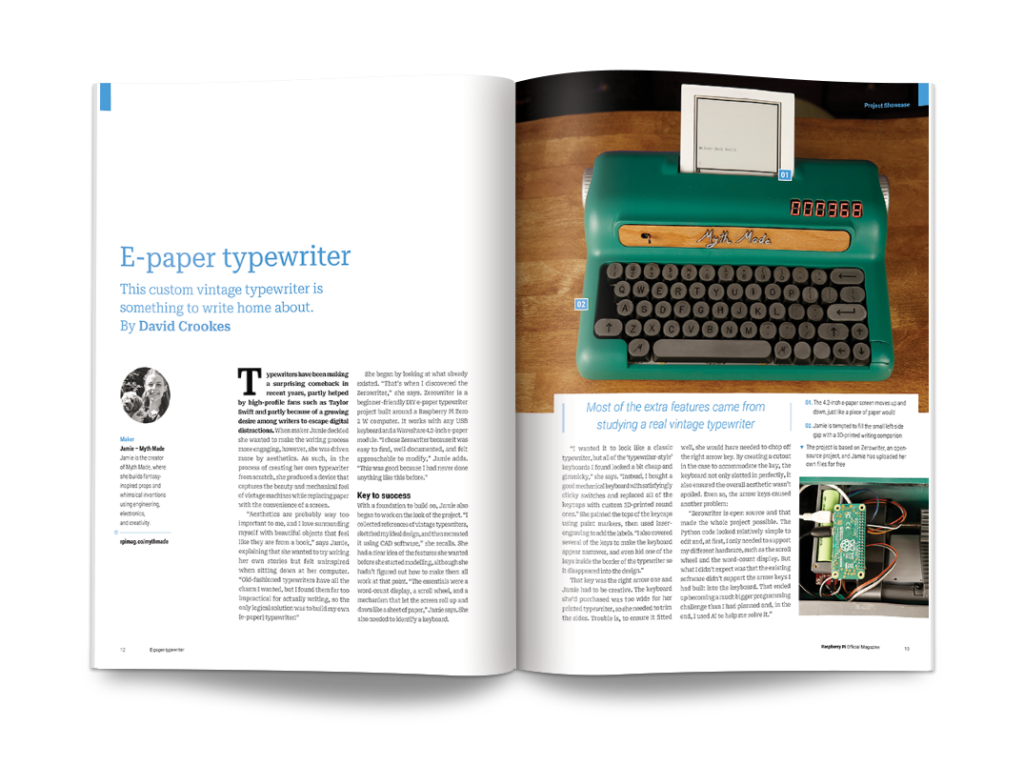
Maybe games aren’t your thing; maybe you’d rather settle down and write for hours, coming up for air only for food and water. If so, we salute your powers of concentration. If you need a helping hand to cut out online distractions so you can focus more effectively, you might enjoy this beautiful E-paper writing machine. It’s inspired by vintage typewriters, it’s 3D printed, and it uses Raspberry Pi Zero 2 W.
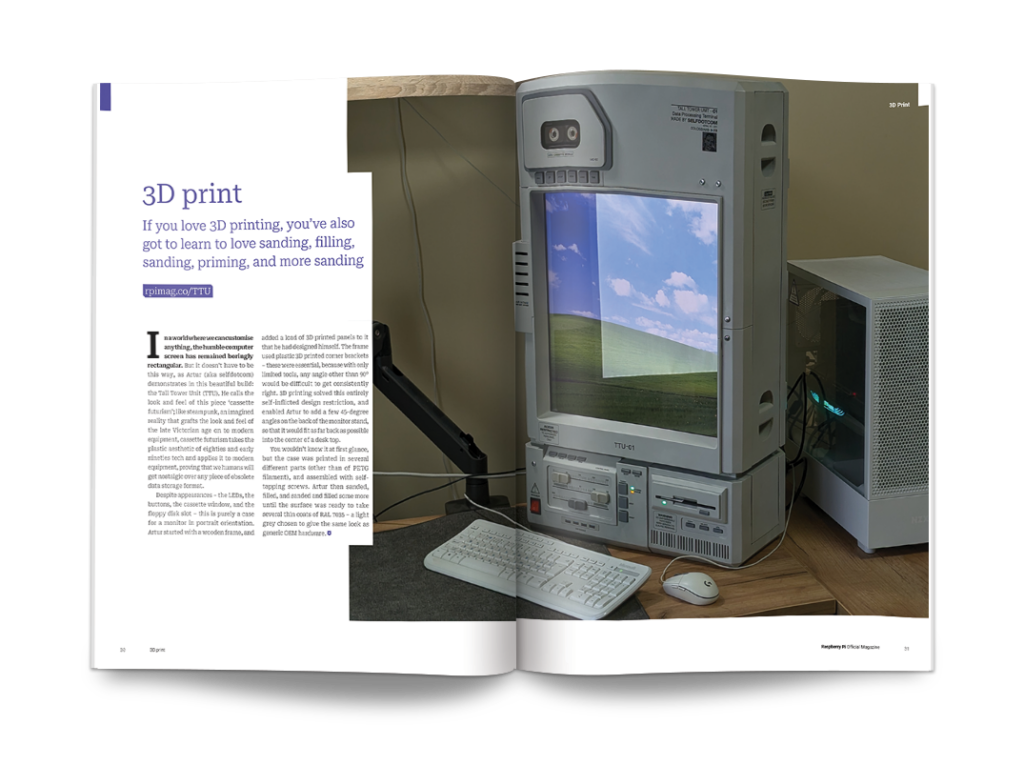
Cassette futurism: an aesthetic influenced by the magnetic storage media common in late 70s to early 90s hardware. Like steampunk, it takes modern equipment and imagine how it would look if we were all still renting films from our local video shops rather than streaming them. If you like your computers big and boxy, you’ll like this – and we’ve got a 3D-printed example of a cassette futuristic machine in the magazine.
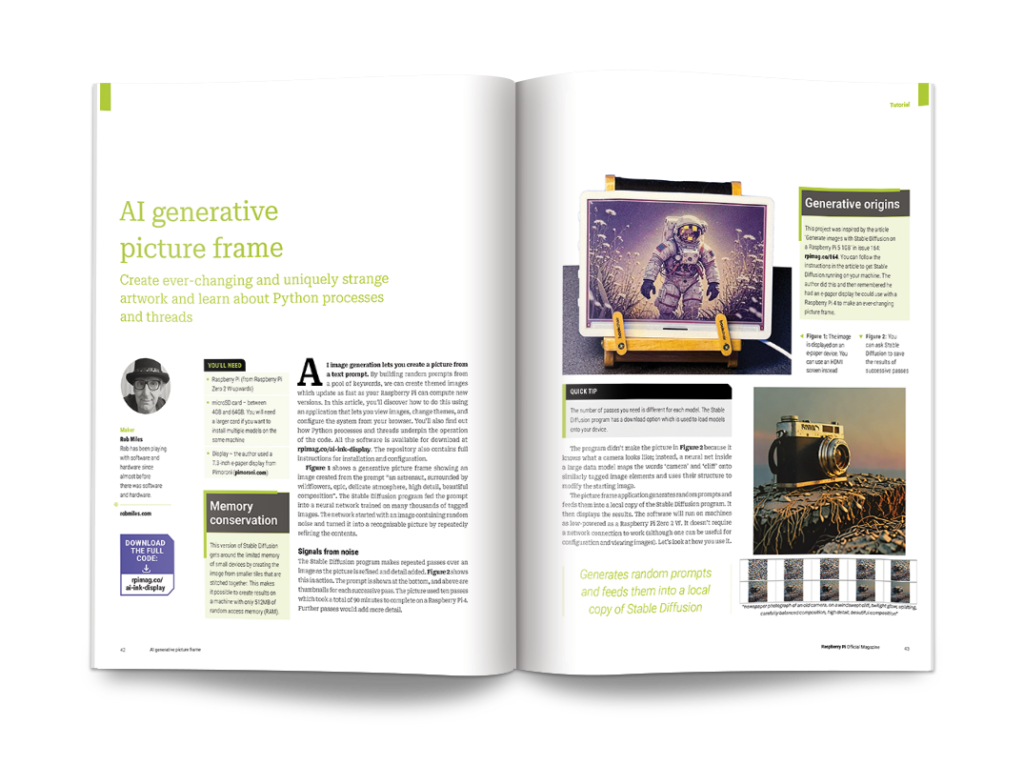
We’re slightly concerned by the threat of AI taking the fun jobs while we humans have to keep doing the dangerous, dirty, and dull work that a computer can’t. One thing we know is that, without a soul, a machine cannot create art… unless it’s using Raspberry Pi and an e-paper display to create whatever you tell it to. All art is quite useless, but at least this shows the power (and some of the limitations) of generative AI.

There are things that we know. Then there are things that we want to predict. In between, there’s a big bunch of maths, which your computer mashes together to give the impression that it’s thinking. That’s a gross oversimplification of how artificial intelligence works, but if you want a more detailed version, we have just the thing: an introduction to predictive models, which explains how two statistical techniques – linear and logistic regression – provide the foundation of machine learning.
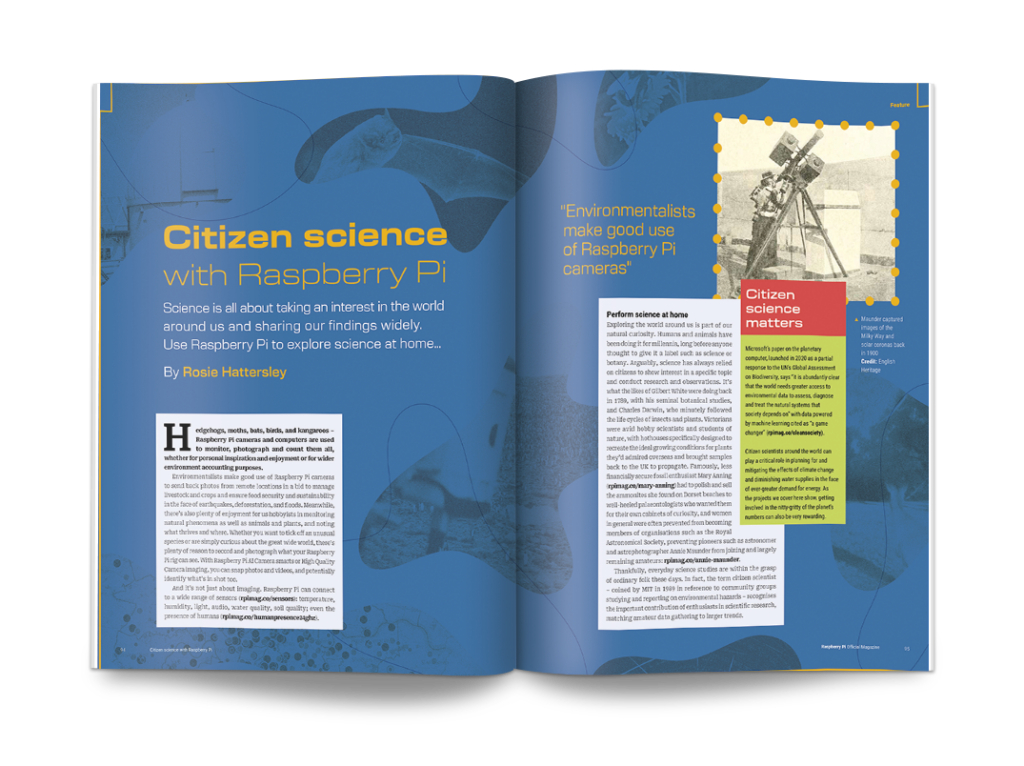
Science doesn’t have to be locked up in the ivory towers of England’s great universities (Oxford, Cambridge, and Hull, for anyone interested). With Raspberry Pi, anyone can get out into the field and study birds, bats, asteroids, river levels, soil pH, or any one of millions other things, while sharing their findings with fellow scientists all around the world. We’ve rounded up some of our favourite citizen science projects, so have a read, and see if you want to add to the sum of human knowledge…
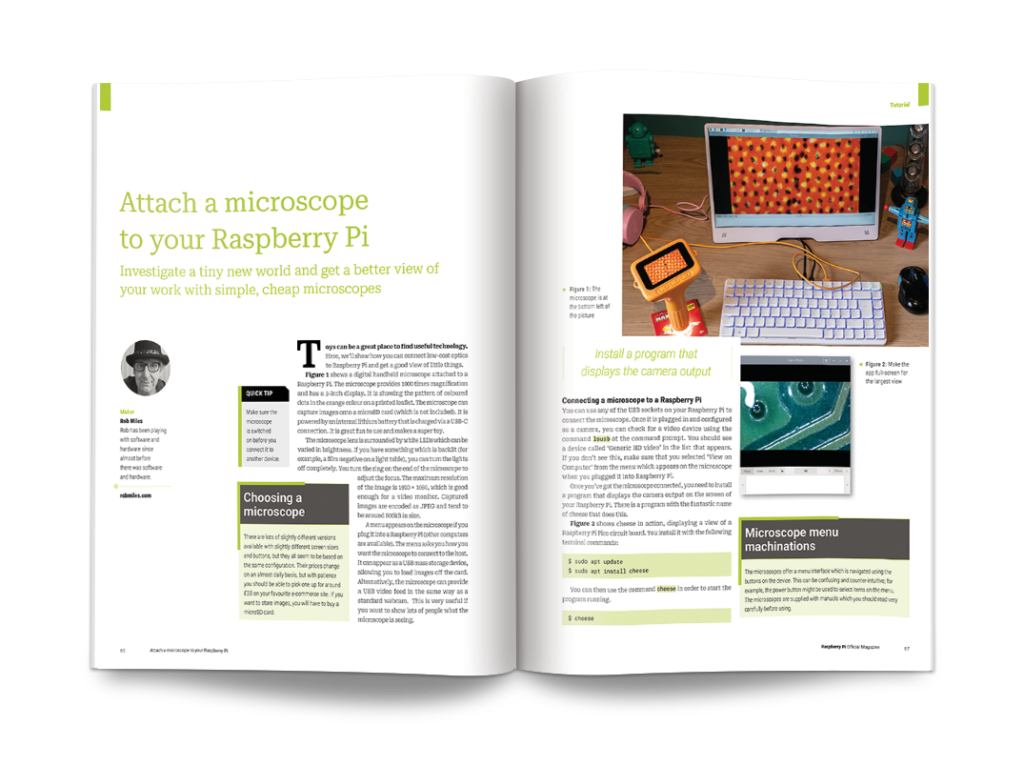
… and if your chosen area of scientific study tends toward small things, you could do a lot worse than attach an affordable microscope to your Raspberry Pi.
There’s all this, and loads more, in issue 169 of Raspberry Pi Official Magazine. Buy it online, or subscribe to never miss an issue (and save a bit of money).

Features Editor Andrew trawls the internet for Cool Stuff while keeping the magazine running smoothly.
Subscribe to Raspberry Pi Official Magazine
Save up to 37% off the cover price and get a FREE Raspberry Pi Pico 2 W with a subscription to Raspberry Pi Official Magazine.
More articles
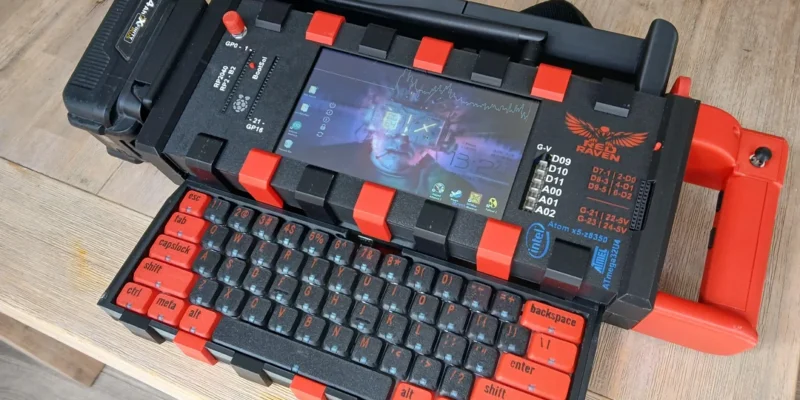
Red Raven cyberdeck
Powered by drills
Read more →
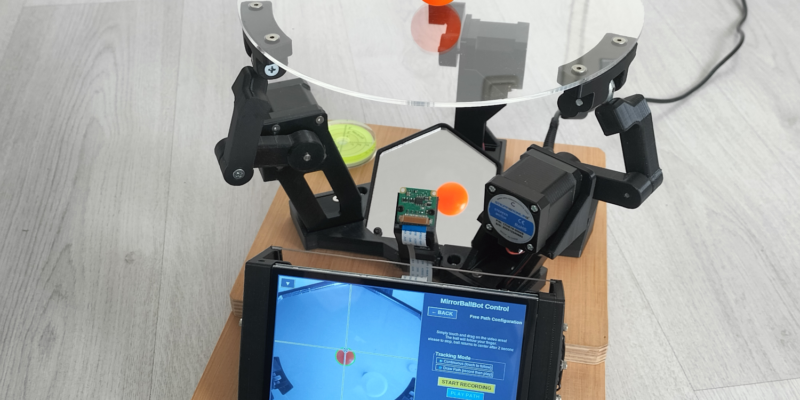
MirrorBallBot
This trick uses no smoke but it does use mirrors
Read more →

Digital Displays in Raspberry Pi Official Magazine 170
Some projects seem more like magic to us than anything else; here’s one of them. This robot by Italian engineer/magician Andrea Favero uses a mirror to widen the field of vision of a Raspberry Pi Camera Module 3, the input from which is processed by Raspberry Pi 4 and used to control three legs to […]
Read more →