Review: CaribouLite RPi HAT vs LimeSDR Mini 2.0
By Marc de Vinck. Posted
This article was originally published as part of HackSpace magazine, which has since been incorporated into Raspberry Pi Official Magazine.

Yes, our beloved Raspberry Pi Zero has a HAT to convert it into an affordable dual-channel SDR.
The CaribouLite was specifically designed for the DIY community to allow full control of the FPGA hardware, software, and firmware. The HAT features a dual-channel radio that spans frequency from 30MHz to 6GHz on Channel 1 and Sub 1GHz on Channel 2.
There is a lot more specific information on the website about the frequency ranges as tested, so be sure to head over and look at the details to see if this board will fit into your workflow. And, as with all the boards in this roundup, be sure to understand all the legalities of the way you use your SDR in your specific region.
For such a small and incredibly affordable board, as far as SDRs are concerned, the CaribouLite ($71 – $138) still manages to pack a powerful punch. It makes for a great first SDR, especially if you are familiar with the Raspberry Pi ecosystem and already have one ready to put to work.
Verdict
CaribouLite RPi HAT
10/10
A mini Raspberry Pi-Powered SDR. What’s not to love?!

The latest successor to the extremely popular LimeSDR product range, all of which come from Crowd Supply and have managed to raise more than $5 million collectively, is the LimeSDR Mini 2.0 ($399).
It’s a drop-in replacement for the LimeSDR Mini and, like its predecessors, the board features an FPGA coupled with the Lime Microsystems LMS7002M RF transceiver.
Supply chain issues have crippled many hardware startups – trust me, I know the pain all too well, and the creators of the LimeSDR Mini 2.0 took on those challenges by sticking with the same form factor as the original LimeSDR Mini boards, and many of the same components, but included a new, much more available FPGA. Smart move!
The board features a frequency range of 10MHz to 3.5GHz, a sample depth of 12 bits at a 30.72 MSPS sample rate. It’s fully open-source, and is a great option that is available at a time when many other options are not. And, just like all the boards we reviewed in issue 58 of HackSpace magazine, you really have to head over to the product page for the full details, as there are just too many to list.
Verdict
LimeSDR Mini 2.0
10/10
A great addition to the Lime family.

Marc de Vinck is the founder of Unexpected Labs and creator dLUX-dLites
Subscribe to Raspberry Pi Official Magazine
Save up to 37% off the cover price and get a FREE Raspberry Pi Pico 2 W with a subscription to Raspberry Pi Official Magazine.
More articles
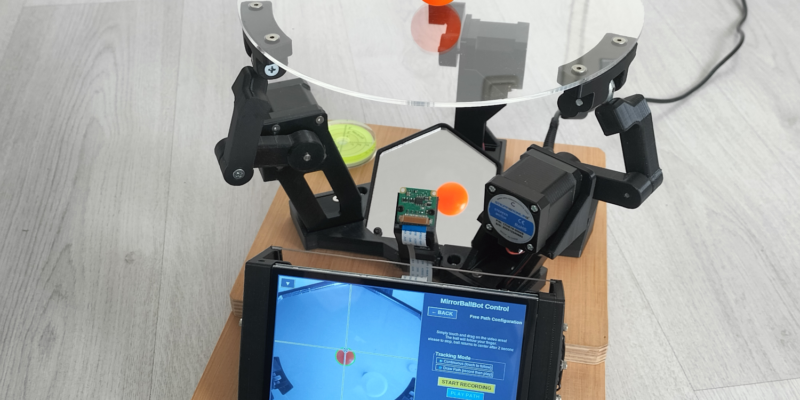
MirrorBallBot
This trick uses no smoke but it does use mirrors
Read more →

Digital Displays in Raspberry Pi Official Magazine 170
Some projects seem more like magic to us than anything else; here’s one of them. This robot by Italian engineer/magician Andrea Favero uses a mirror to widen the field of vision of a Raspberry Pi Camera Module 3, the input from which is processed by Raspberry Pi 4 and used to control three legs to […]
Read more →
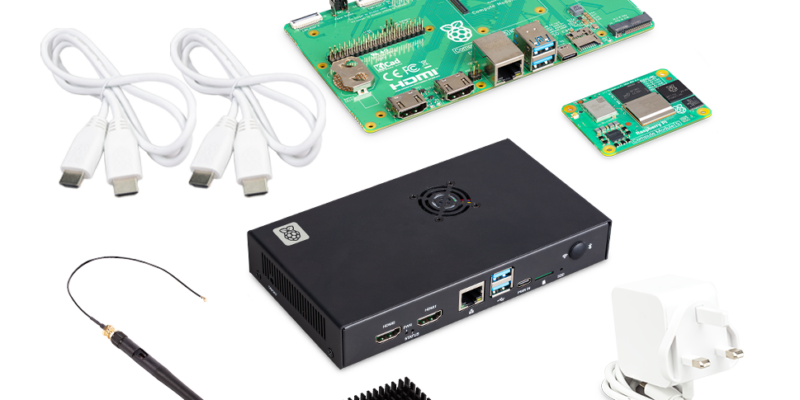
Win a Development Kit for Compute Module 5
Make CM5 development easier with our competition
Read more →