DataSciencePi: Using a Raspberry Pi as a plug-in processor
By Russell Barnes. Posted

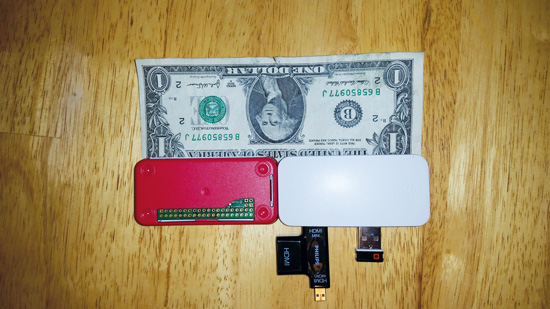
Scott Edenbaum, a recent graduate from the NYC Data Science Academy, has turned a humble Pi Zero into DataSciencePi: a data crunching, code trialling, data science-ing auxiliary processor.
Wanting to avoid “the potential for security exploits” of installing MySQL on his main development computer, Scott instead used virtualisation software Docker to create standard environments for Python and R (a programming language suited to data science).
Scott’s approach avoids the “multiple (possibly conflicting) dependencies” of Python and R, while allowing him to create his sandbox coding and testing environment quickly and easily. Building the environment from scratch each time is “a process that takes 2+ hours on a Raspberry Pi 3”, let alone a modest Pi Zero.
DataSciencePi: A plug-in processor made from a Raspberry Pi
“Because the device is so inexpensive, I can see there being a lot of possibility using it for education” Scott tells us, while the standardised environment saves “headaches” such as installing libraries and managing package repositories.
Scott’s project could replace Excel “for some tasks”, while Docker “allows deployment and management of a few devices or hundred, without too much extra work.” He says there are “a lot of interesting cases I haven’t thought of.”
The project is on GitHub, and Scott has documented the installation process.

Russell runs Raspberry Pi Press, which includes The MagPi, Hello World, HackSpace magazine, and book projects. He’s a massive sci-fi bore.
Subscribe to Raspberry Pi Official Magazine
Save up to 37% off the cover price and get a FREE Raspberry Pi Pico 2 W with a subscription to Raspberry Pi Official Magazine.
More articles
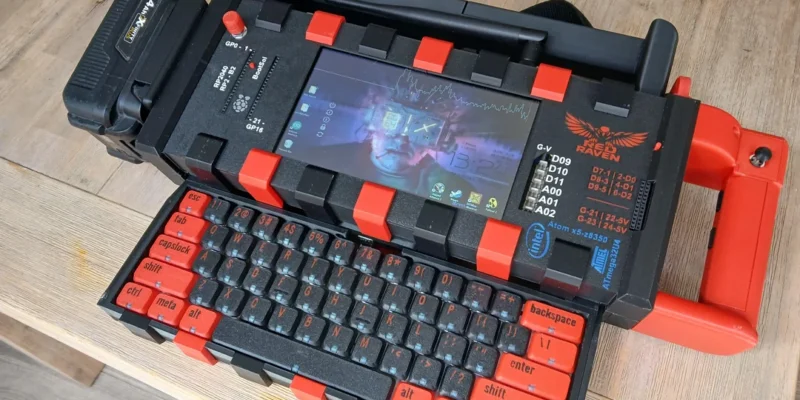
Red Raven cyberdeck
Powered by drills
Read more →
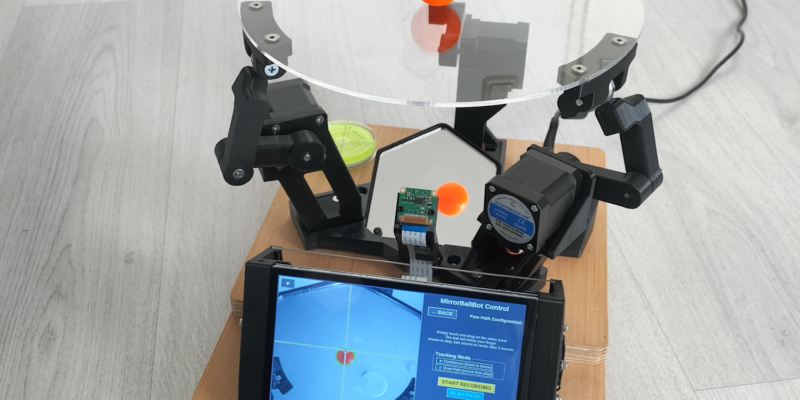
MirrorBallBot
This trick uses no smoke but it does use mirrors
Read more →
Digital Displays in Raspberry Pi Official Magazine 170
Some projects seem more like magic to us than anything else; here’s one of them. This robot by Italian engineer/magician Andrea Favero uses a mirror to widen the field of vision of a Raspberry Pi Camera Module 3, the input from which is processed by Raspberry Pi 4 and used to control three legs to […]
Read more →