Raspbian gets a major update to Debian jessie
By Russell Barnes. Posted

Big things (and small things) are changing in Raspbian as it upgrades to Debian 8.0
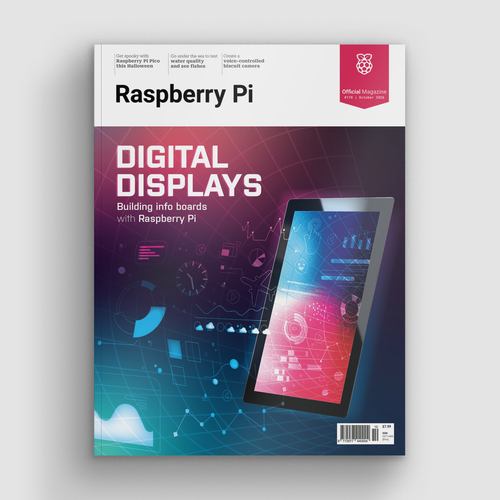
For over three years now the operating system of choice for the Raspberry Pi has been Raspbian, based on the popular Linux distribution Debian 7.0. At the time, Debian 7 was the ‘testing’ branch of the distro, getting rolling updates and generally getting newer and more up-to-date software than other versions of Linux or even Debian. 7.0. Also known as wheezy (got the Toy Story references, yet?), it soon went ‘stable’ in Debian parlance and 8.0 jessie became the new testing branch of Debian.
That was in 2013, and since then the two year cycle has finished again and jessie has now left testing and become stable. Yet the Raspberry Pi has been stuck on 7.0 and, well, if you’ve read the title of this article, you’ll know that this has changed and Raspbian is now running on jessie.

On the surface of it is there’s not a huge number of changes. The desktop interface is the same, but there’s a lot of improvements behind the scenes as well as updated packages and bug fixes all round. LibreOffice is installed by default, the config menu is now on the desktop as a graphical utility and you don’t need to use sudo to access the GPIO pins from Python (or other code) any more.
You can read Simon Long, the man in charge’s, blog about the release on the main Raspberry Pi website and you can see our interview with him (along with a review of Raspbian jessie!) in next month’s MagPi.

Russell runs Raspberry Pi Press, which includes The MagPi, Hello World, HackSpace magazine, and book projects. He’s a massive sci-fi bore.
Subscribe to Raspberry Pi Official Magazine
Save up to 37% off the cover price and get a FREE Raspberry Pi Pico 2 W with a subscription to Raspberry Pi Official Magazine.
More articles

Red Raven cyberdeck
Powered by drills
Read more →
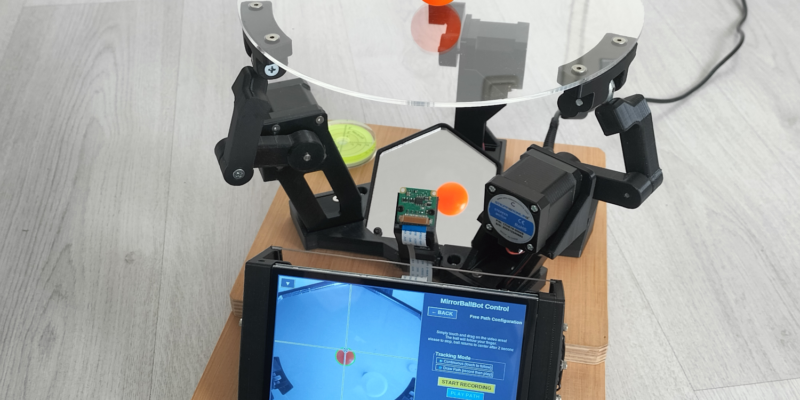
MirrorBallBot
This trick uses no smoke but it does use mirrors
Read more →
Digital Displays in Raspberry Pi Official Magazine 170
Some projects seem more like magic to us than anything else; here’s one of them. This robot by Italian engineer/magician Andrea Favero uses a mirror to widen the field of vision of a Raspberry Pi Camera Module 3, the input from which is processed by Raspberry Pi 4 and used to control three legs to […]
Read more →