3D-printable Raspberry Pi Cyberdeck
By Andrew Gregory. Posted
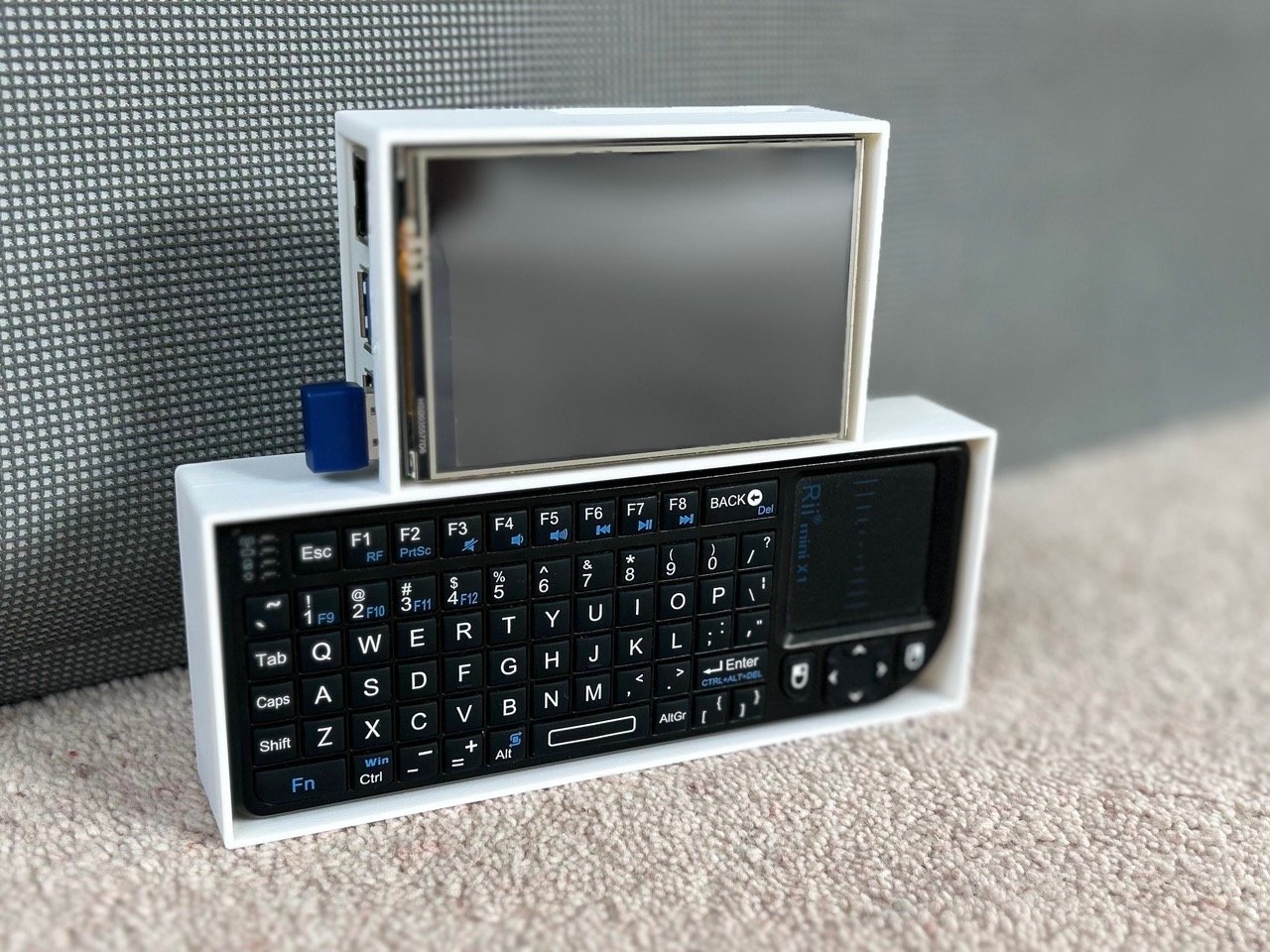
The phrase ‘minimum viable product’ has been ringing in our ears for the last few weeks for some reason. Maybe it’s all the LEDs on the Raspberry Pi 500+ reminding us that more is, in fact, more, but we were looking for something small and functional to show that if an idea is a good one, it doesn’t need any additional bells and whistles.
Enter this small 3D-printed cyberdeck, by Nathanael de Jongh. It holds a Raspberry Pi 5, a 3.5-inch display, and a Rii miniature keyboard, and is encased in 0.08mm layer height, 5% infill 3D-printed plastic. Like many awesome projects, it arose because the maker had the stuff already laying about:
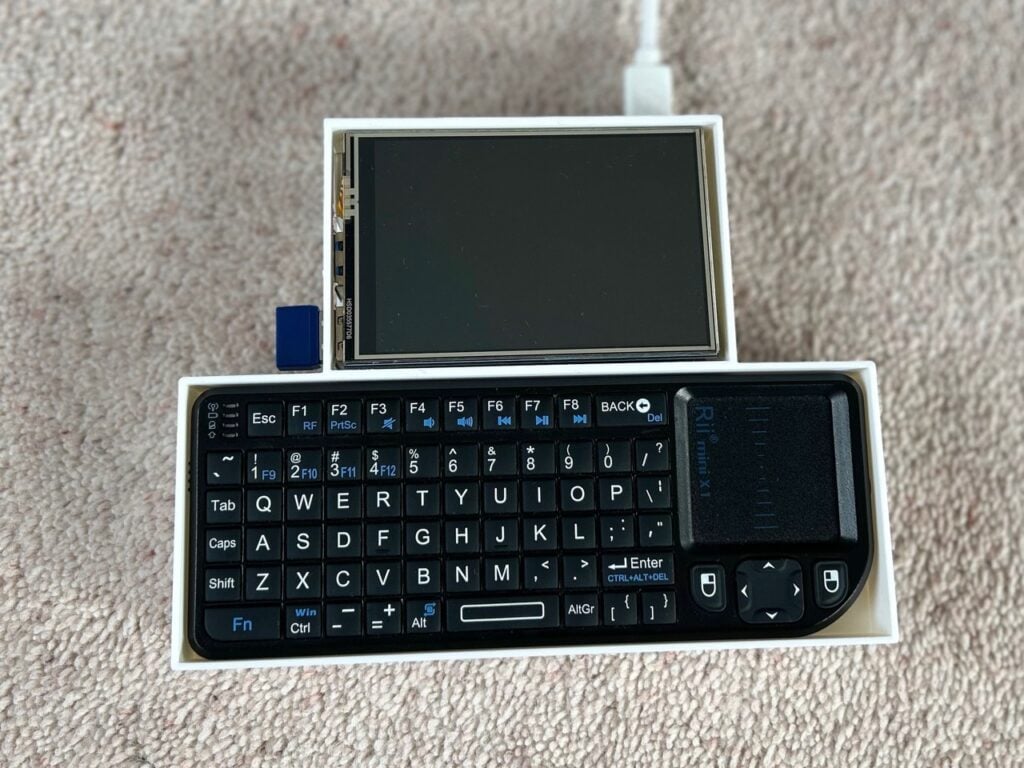
“I designed this model because I had bought the screen a while ago, and when I then got a 3D printer I decided to create a simple easy-to-use case to house it and a Raspberry Pi Zero,” says Nathanael. “I then created the Raspberry Pi 5 version upon realising that it required a bit more power for some tasks. The Pi Zero version is great for things like Python programming and the Raspberry Pi 5 one is better for things like web browsing and watching videos.”

Features Editor Andrew trawls the internet for Cool Stuff while keeping the magazine running smoothly.
Subscribe to Raspberry Pi Official Magazine
Save up to 37% off the cover price and get a FREE Raspberry Pi Pico 2 W with a subscription to Raspberry Pi Official Magazine.
More articles
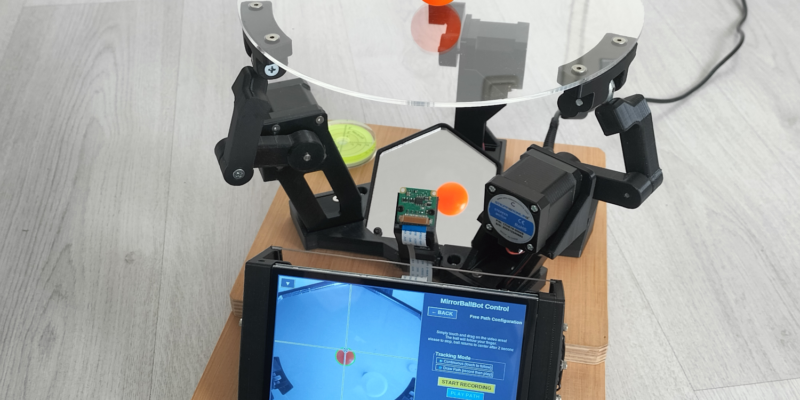
MirrorBallBot
This trick uses no smoke but it does use mirrors
Read more →
Digital Displays in Raspberry Pi Official Magazine 170
Some projects seem more like magic to us than anything else; here’s one of them. This robot by Italian engineer/magician Andrea Favero uses a mirror to widen the field of vision of a Raspberry Pi Camera Module 3, the input from which is processed by Raspberry Pi 4 and used to control three legs to […]
Read more →
Win a Development Kit for Compute Module 5
Make CM5 development easier with our competition
Read more →