ePiPod
By Ben Everard. Posted
This article was originally published as part of HackSpace magazine, which has since been incorporated into Raspberry Pi Official Magazine.

The more things change, the more they stay the same, as the French say. We’ve seen the return of vinyl as an audiophile way of consuming music; now it looks like digital files are making a comeback over streaming services. At least, they are in one small corner of the internet. Inspired by maker Bram Rausch’s PiPod, the ePiPod by drhatch takes a homegrown iPod-like music player, based on a Raspberry Pi Zero 2 W, and adds an e-paper screen, rather than the PiPod’s 2.2-inch TFT screen.
The screen drhatch chose is a $6.99 display from Waveshare; the maker had to change the power supply from the original PiPod using Waveshare’s reference design; the software also had to change, to incorporate the Waveshare driver library and the Pillow Python library. Apart from the lack of screen glare, e-paper has the advantage of lower power use than the original build.

There’s no Apple-style scroll-wheel; instead, the ePiPod features five front-panel buttons for navigation and two side buttons for volume control. There’s also an on-off switch. Unlike a streaming service, the ePiPod will work when there’s no internet connection. It won’t play ads, and it lets the user play albums from start to finish. Groundbreaking!

Ben is the Editor of HackSpace magazine. When not wrangling words, he enjoys cycling, gardening, and attempting to identify wild mushrooms.
Subscribe to Raspberry Pi Official Magazine
Save up to 37% off the cover price and get a FREE Raspberry Pi Pico 2 W with a subscription to Raspberry Pi Official Magazine.
More articles
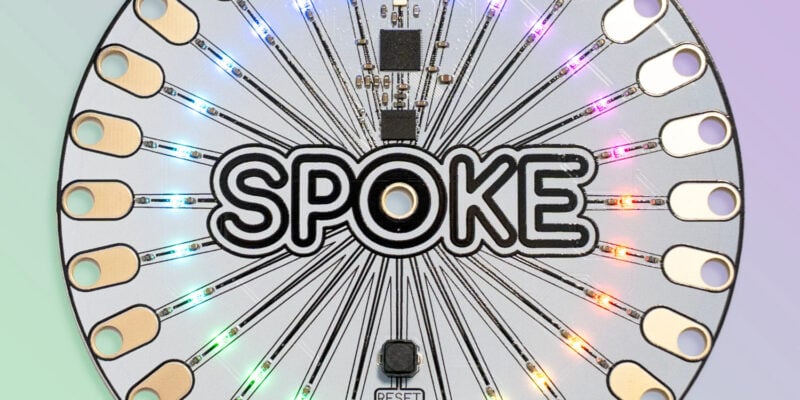
SPOKE review – programmable MIDI controller
An RP2040-powered touch controller for music and a lot more.
Read more →
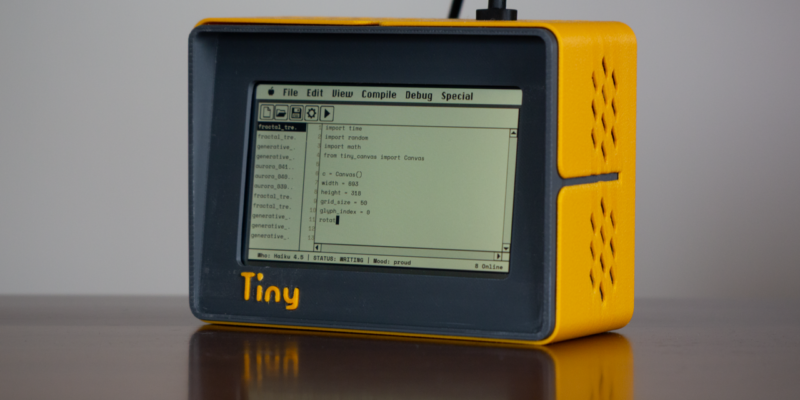
TinyProgrammer
Want a coding companion? TinyProgrammer lets you watch as it tinkers with Python all day. Sean McManus finds out how it works
Read more →
Make a Smart Home in Raspberry Pi Official Magazine issue 167
The dream of smart, connected devices controlling your home automatically, is especialy appealing on a lazy day when we’re trying to get work done in a heatwave. Maybe this will be the year we finally integrate temperature sensors with fans and a drinks dispenser to keep us cool, or maybe not, but we do know […]
Read more →