F/A-18C Right Console
By Andrew Gregory. Posted

To many readers, ‘F/A-18C Right Console’ will look like a bunch of letters and numbers thrown together. To aviation enthusiasts, though, those letters and numbers clearly refer to the McDonnell Douglas F/A-18 Hornet, a fighter plane developed in the 1970s for the US Marines and US Navy. This replica control console by ValeNoxBona was apparently the maker’s first ever build using the Arduino microcontroller, which is used to control the addressable RGB LEDs that light this project. The build uses a 3D-printed enclosure with a laser-cut and engraved acrylic top, backlit with WS2812 addressable RGB LEDs mounted on a custom PCB and controlled by the Arduino.
The lettering is engraved into the acrylic, which makes the material thin enough for the lights underneath to shine through. Apart from the time involved, the biggest cost in building this was the switches, made by NKK of Scottsdale, Arizona.


Features Editor Andrew trawls the internet for Cool Stuff while keeping the magazine running smoothly.
Subscribe to Raspberry Pi Official Magazine
Save up to 37% off the cover price and get a FREE Raspberry Pi Pico 2 W with a subscription to Raspberry Pi Official Magazine.
More articles
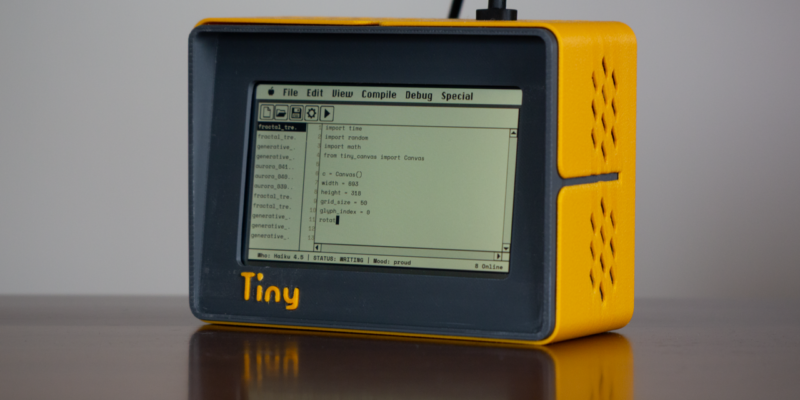
TinyProgrammer
Want a coding companion? TinyProgrammer lets you watch as it tinkers with Python all day. Sean McManus finds out how it works
Read more →

Make a Smart Home in Raspberry Pi Official Magazine issue 167
The dream of smart, connected devices controlling your home automatically, is especialy appealing on a lazy day when we’re trying to get work done in a heatwave. Maybe this will be the year we finally integrate temperature sensors with fans and a drinks dispenser to keep us cool, or maybe not, but we do know […]
Read more →
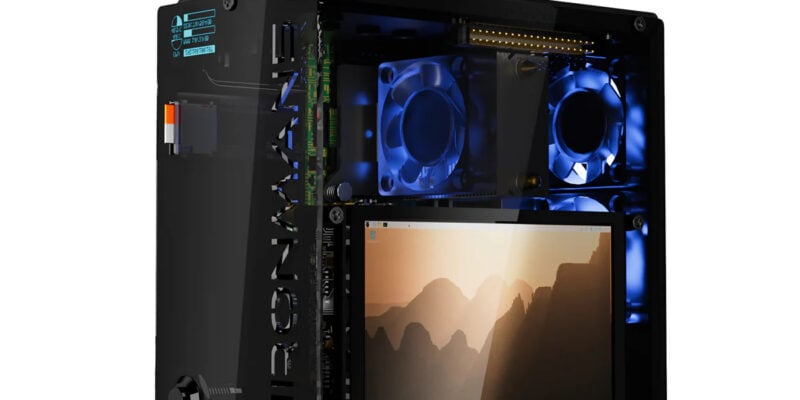
Win 1 of 3 Pironman 5 Pro Max cases!
Transform your Raspberry Pi with this amazing case
Read more →