Fold’N Fly review – the art of paper aeroplanes
By Ben Everard. Posted
This article was originally published as part of HackSpace magazine, which has since been incorporated into Raspberry Pi Official Magazine.

Paper planes fill that niche where they’re easy to get started, use cheap and widely available materials, and are great fun for almost anyone with a sense of joy. If you want to go into it, they’re also a vehicle for learning the basics of aerodynamics. They’re almost the perfect maker project, yet so often we explore no further than the basic ‘dart-style’ paper planes that littered the corridors of our schools.
While there’s nothing wrong with these planes, they’re only the first step. Explore a little more and there’s a wealth of options to take paper into flight, and FoldNFly.com is the perfect place to continue your aviation adventure.
Make beautiful beats with the complete Raspberry Pi music production toolkit.
Fold’N Fly gets straight down to business. It’s there for one thing and one thing only – teaching people how to make paper planes, and it does this really well. On the main page, you’re greeted by a list of different designs that you can filter by difficulty, specialism (distance, time in the air, etc.), and whether or not you consider scissors cheating. Follow any one of these links, and you get a series of photographed steps, guiding you through a build, as well as a video of it. That’s it. There’s no cruft, or anything else filling up the site. It’s paper aeroplanes all the way.
Here at HackSpace towers, we’re fond of the acrobatic planes because, well, we like twirling in the sky. The Royal Wing design is our preferred craft for this. The combination of large wing area, and well-balanced weight, make it great for low-speed manoeuvres. However, the implausible shapes of the King Bee or the Gliding Plane make them also top contenders for our affections.
The one thing missing from this page is advice on flying the planes.

Particularly with acrobatic planes, the minutiae of how you launch (and some last-minute folding) can have a huge impact on the end result. Perhaps, though, it would be mundane for a website to guide you all the way. This omission does give us license to experiment freely, and see what we can discover about the science of cellulose aviation (as we term this hobby on our CV).
If you want to start making better paper planes, or if you’re bored at work, this is the site for you. There are plenty of options for both beginners and experts alike.
Fold’n Fly free foldnfly.com
Verdict
Everyone needs to know a few good paper aeroplane designs.
9/10

Ben is the Editor of HackSpace magazine. When not wrangling words, he enjoys cycling, gardening, and attempting to identify wild mushrooms.
Subscribe to Raspberry Pi Official Magazine
Save up to 37% off the cover price and get a FREE Raspberry Pi Pico 2 W with a subscription to Raspberry Pi Official Magazine.
More articles

Mermaid in the shell
Satin and real freshwater pearls complete the look for the mermaid who needs root access in style
Read more →
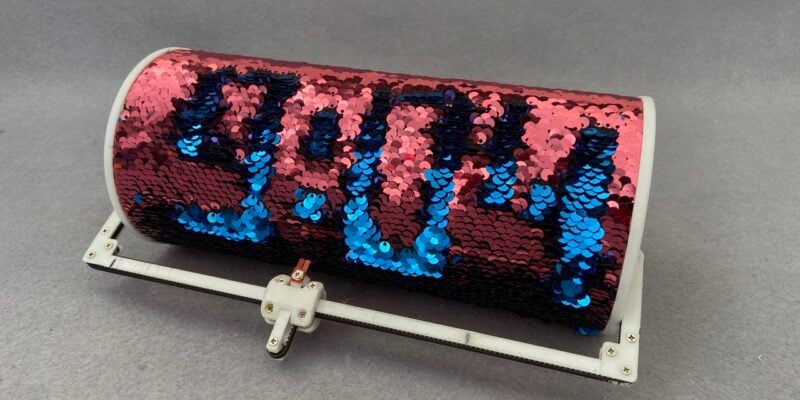
Sequino clock
This tricky build was inspired by a child’s t-shirt
Read more →
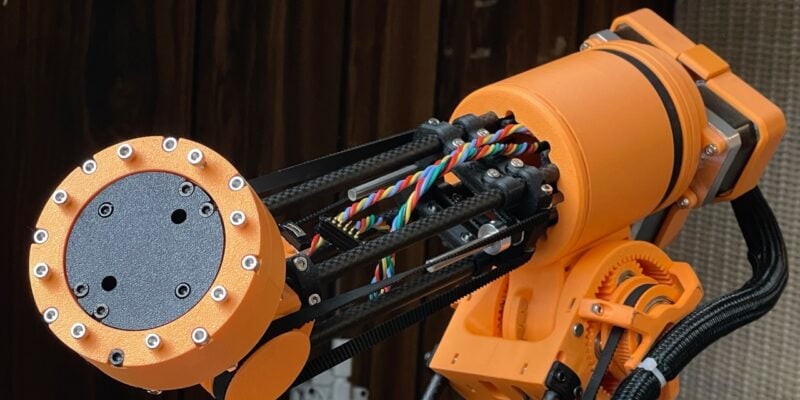
Use a robot to build a robot
This glorious, (mostly) 3D printed robot has six degrees of freedom.
Read more →