Smart museum exhibit built using Raspberry Pi
By Russell Barnes. Posted
A quick intro to Python – short scripts, rapid results.
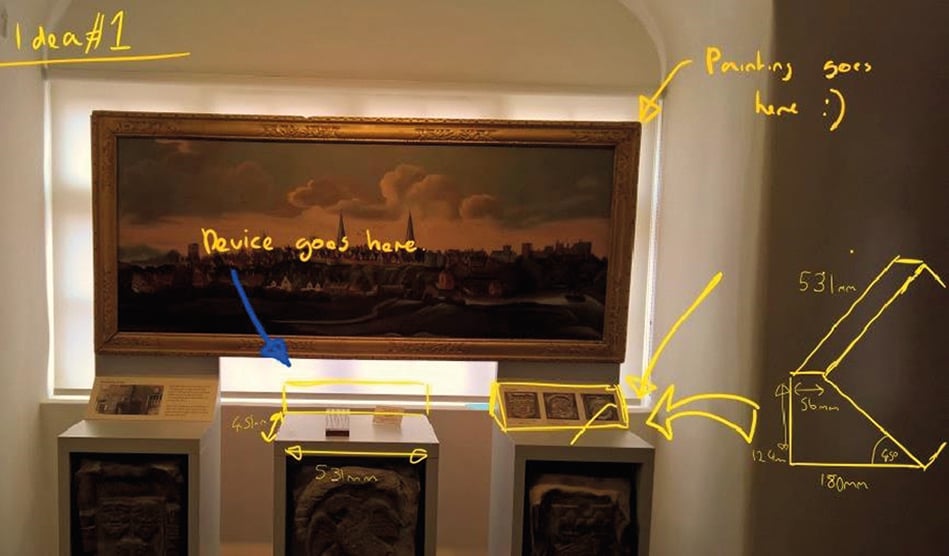
Shrewsbury Museum & Art Gallery hosted a week-long hack, allowing Microsoft and consultancy firm Black Radley to create an smart Raspberry Pi museum exhibit.
While many museums use multimedia elements for certain exhibits, these videos or talks are the same, whether a child or a 70-year-old activates them. The hack team wanted to do better.
The aim was to make a system that would serve content suited to the demographic and engagement of the visitor.
Raspberry Pi smart museum exhibit
Integral to the brief was that the project should use open-source software and hardware costing less than £100, so an old webcam and speaker were hooked up to a Raspberry Pi 3. The Pi used a UWP (Universal Windows Platform) on Windows IoT Core to access facial recognition algorithms via Microsoft’s Cognitive Services Face API.
Black Radley’s Joe Collins explains that “using a webcam gives us a bit of flexibility because they often come with quite a long cable.”

Hack collaborator and Microsoft Technology Evangelist Martin Kearn adds that the use of Windows IoT Core “enables us to support almost any webcam that is supported on Windows, on any device.”
Joe explains that the Pi 3 was used because “it is handy to have the USB sockets for the webcam and to power the speakers.” You could use the project code on a Pi Zero W, or as Martin points out, on “laptops, desktops, tablets, phones, Xbox, 80-inch Surface Hubs”, or anything that can run Windows 10.
It was important to the hack team that the project was open-source because, as Joe tells us, “there are a lot of museums out there […]. Keeping the project open-source allows the museums to adapt the device to their own needs.”
Martin adds that “Microsoft is a big advocate of open-source technologies". When we engage in ‘code with’ activities with customers and partners, we always like the project itself to be open-source.”

Russell runs Raspberry Pi Press, which includes The MagPi, Hello World, HackSpace magazine, and book projects. He’s a massive sci-fi bore.
Subscribe to Raspberry Pi Official Magazine
Save up to 37% off the cover price and get a FREE Raspberry Pi Pico 2 W with a subscription to Raspberry Pi Official Magazine.