Travelling with Raspberry Pi
By Rob Zwetsloot. Posted

Next year, I have the feeling I’m going to be doing a lot more long-distance travelling, and that always gets me wondering about how I am going to entertain myself during these journeys. I actually have a pretty good system down – a tablet with books loaded on, a console with a game backlog (sometimes this does mean a 3DS), and hoping there are some cheesy movies I’ve not seen if I’m flying. I’ve got a new tablet recently which actually has a decent amount of storage too, so I can finally download shows from streaming services. A revolution.

This recent change got me wondering how else I could mix up the travel tech and, of course Raspberry Pi came to mind. In fact, Raspberry Pi could have solved my issue with not be able to watch my own TV and movies on flights long ago, but thankfully I don’t regret not making that connection enough to bother my therapist about it.
Obvious/obscure
Some of my videogame backlog includes a lot of retro games, so the first thought I had was to finally make one of my portable Raspberry Pi game systems a bit more permanent and finally play Japan-only Treasures of the Rudras for the SNES (I heard some music for it on a Relaxing SNES Music playlist, sounds fun) among others.
The journey itself isn’t the only thing I need to think about though. I could always take a little Raspberry Pi Zero 2 W box that plugs into a hotel TV and VPNs into my home network, so can either stream games or home media wherever I am during any downtime.
Maybe I could also have a GPS tracker to truly track my trip from beginning to end! Why? Data is cool, I guess.
Too far
Therein lies the problem – I think putting together a project just because will end up being a little too much work before a holiday. And listen, I’m a cosplayer, I know all about undue stress before a weekend off. I’ve done my time crunching before a trip.
The worst case is that it gets you in trouble too. While writing this, I was reminded of a trip I took to Walt Disney World in 2017. It was a very big deal to me – I won’t go into detail here – but I had managed to procure a special board that could interact with signals sent out at the theme parks to co-ordinate LEDs with store window displays or fireworks shows. I had decided to fit mine into a little lightsaber toy, which I had disassembled into its plastic blade and plastic hilt… which was full of wires and batteries. So no wonder I was pulled off to one side once I got off the plane, and had to wait a while for my baggage – the X-ray machine must have seen what looked like a pipe bomb in my bag.
It took me a few days to realise why they had pulled me aside like that, and also that the plastic was too thick for the signals to reach the board anyway. The lesson is: don’t do anything too DIY with a Raspberry Pi while you travel. A retro handheld will do just fine.

Rob is amazing. He’s also the Features Editor of Raspberry Pi Official Magazine, a hobbyist maker, cosplayer, comic book writer, and extremely modest.
Subscribe to Raspberry Pi Official Magazine
Save up to 37% off the cover price and get a FREE Raspberry Pi Pico 2 W with a subscription to Raspberry Pi Official Magazine.
More articles
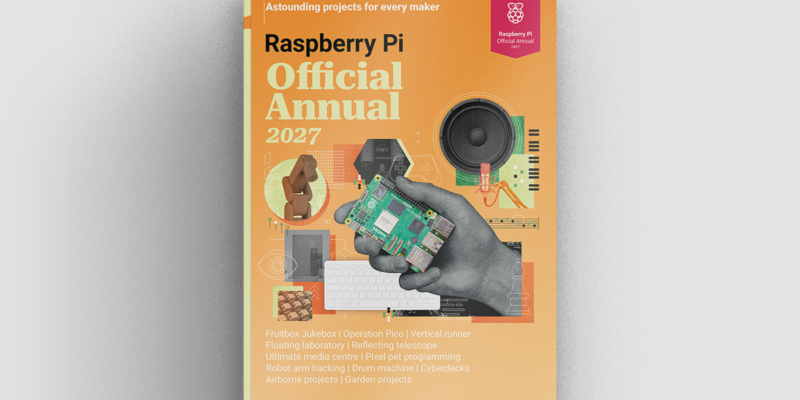
Raspberry Pi Official Annual 2027 is out now!
New name, same fantastic content
Read more →
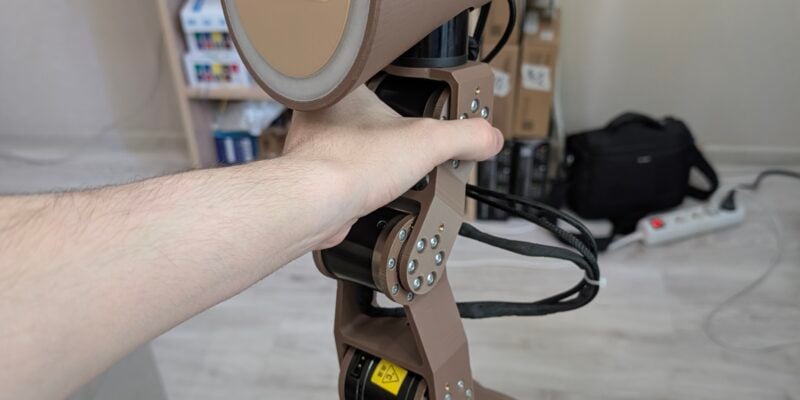
Robot arm lamp
This won’t be jumping on any animation studio logos
Read more →

Sage Cadence interview
An electrical engineering student trying to provide the educational content she would have wanted
Read more →