Yozh robot
By Ben Everard. Posted
This article was originally published as part of HackSpace magazine, which has since been incorporated into Raspberry Pi Official Magazine.

Alexander Kirillov wanted a robot that he could use as a teaching platform at SigmaCamp, a science-based summer camp in the USA. He looked at Poll’s Zumo robot, DF Robots’ Maqueen Plus, and Pimoroni’s Trilobite – all fine platforms, but none of them satisfied all of Alexander’s requirements. He wanted something compact, extendable, with a decent number and variety of sensors, and programmable in Python. Unable to find a device that matched these requirements, he decided to build his own.
He’s used silicone tracks and 6 V, 75-gear ratio micro metal gear motors, both by Pololu, an ESP32-S3 Feather board by Adafruit as the main controller, and designed a custom board to handle low-level operations such as maintaining consistent motor speed.

The sensors are where things get really interesting: among other things, there’s a 6 DOF Inertial Motion Unit (IMU), which can be used for determining robot orientation; two front-facing laser time-of-flight sensors, for detecting obstacles; and no fewer than seven sensors facing the ground, to enable line-following tasks.

Ben is the Editor of HackSpace magazine. When not wrangling words, he enjoys cycling, gardening, and attempting to identify wild mushrooms.
Subscribe to Raspberry Pi Official Magazine
Save up to 37% off the cover price and get a FREE Raspberry Pi Pico 2 W with a subscription to Raspberry Pi Official Magazine.
More articles
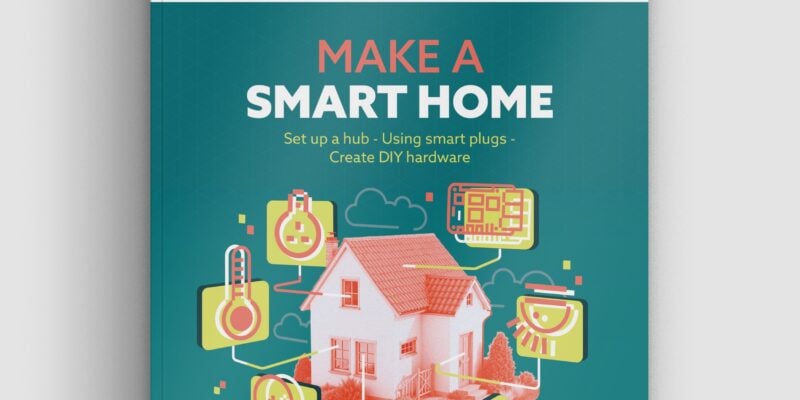
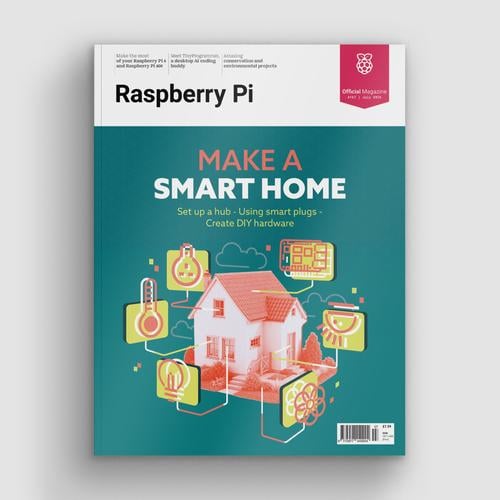
Make a Smart Home in Raspberry Pi Official Magazine issue 167
The dream of smart, connected devices controlling your home automatically, is especialy appealing on a lazy day when we’re trying to get work done in a heatwave. Maybe this will be the year we finally integrate temperature sensors with fans and a drinks dispenser to keep us cool, or maybe not, but we do know […]
Read more →
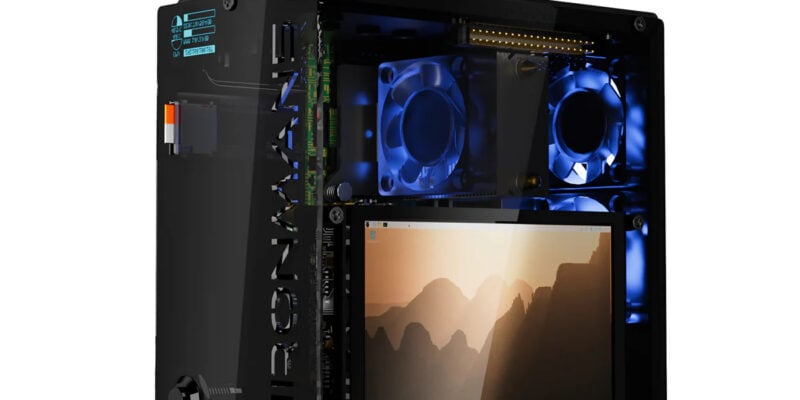
Win 1 of 3 Pironman 5 Pro Max cases!
Transform your Raspberry Pi with this amazing case
Read more →
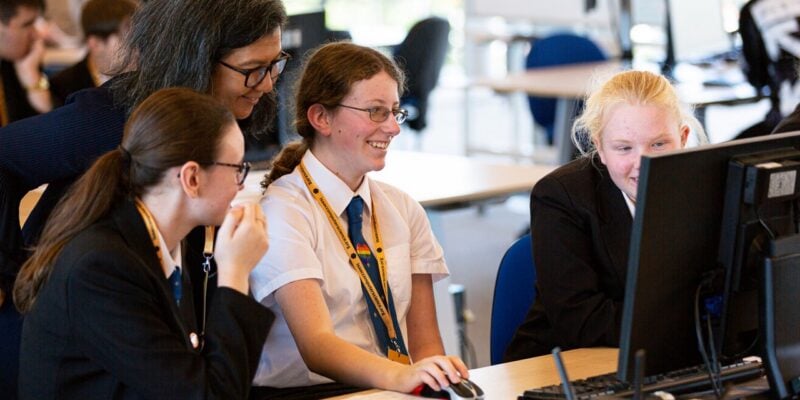
Learning to code in an AI age
A new Raspberry Pi Foundation course helps young people learn to code.
Read more →