Gesture-controlled DNA lamp
By Ben Everard. Posted
This article was originally published as part of HackSpace magazine, which has since been incorporated into Raspberry Pi Official Magazine.

Kostiantyn uses a laser cutter to score the inside of two wooden strips of walnut veneer, making them flexible enough to wrap around a cylinder. He brushes them with resin, so when the resin dries, it holds the shape of a spiral – do this twice, and you’ve got the beginnings of a DNA double helix made in wood. Add a plywood base, a strip of addressable LEDs and a PAJ7620U gesture sensor, plus an ESP8266 controller, and you’ve got a unique gesture-controlled desk lamp.

What we love about this project is that the woodworking element is just about possible to recreate without the laser cutter. All you need is a hand steady enough to cut hundreds of tiny lines to the same thickness, direction, and depth, and then do it again for the two strips that form the two strands of the DNA, and the thinner wooded strips that hold the NeoPixels in place, all without making a single mistake. That’s the sort of work that more sensible makers such as Kostiantyn leave to the machines, leaving him free to do the more difficult, creative work, such as coming up with the idea in the first place.

Ben is the Editor of HackSpace magazine. When not wrangling words, he enjoys cycling, gardening, and attempting to identify wild mushrooms.
Subscribe to Raspberry Pi Official Magazine
Save up to 37% off the cover price and get a FREE Raspberry Pi Pico 2 W with a subscription to Raspberry Pi Official Magazine.
More articles

Make a Smart Home in Raspberry Pi Official Magazine issue 167
The dream of smart, connected devices controlling your home automatically, is especialy appealing on a lazy day when we’re trying to get work done in a heatwave. Maybe this will be the year we finally integrate temperature sensors with fans and a drinks dispenser to keep us cool, or maybe not, but we do know […]
Read more →
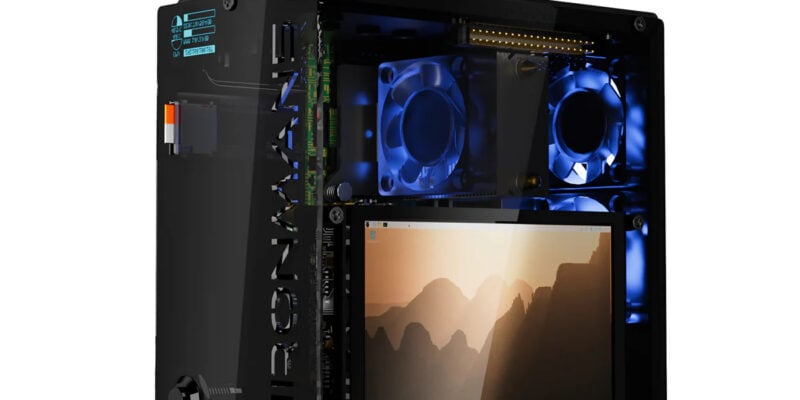
Win 1 of 3 Pironman 5 Pro Max cases!
Transform your Raspberry Pi with this amazing case
Read more →

Learning to code in an AI age
A new Raspberry Pi Foundation course helps young people learn to code.
Read more →