Raspberry Pi Camera Module v2 released!
By Russell Barnes. Posted

The new 8-megapixel Pi camera is a big upgrade to the existing camera that uses the same connector, code, and mount points
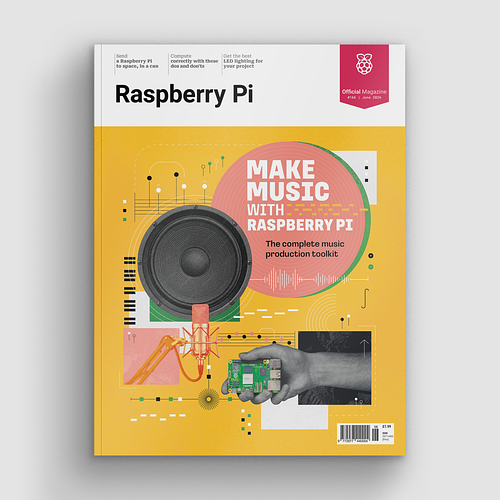
Make beautiful beats with the complete Raspberry Pi music production toolkit.
We love the Raspberry Pi camera. We know we're a bit biased but honestly it's the truth – there are some amazing projects out there and we've done some pretty cool stuff ourselves in and out of the magazine (a particular favourite being setting uo a remote-control Rapiro robot with a camera in its head. Smashing). So as you might expect we were very excited to hear about an updated version of the camera with an 8-megapixel sensor (among other minor improvements).

The Raspberry Pi Camera Module v2, to give it its full name, is out today. It uses an upgraded sensor from Sony on a newly revised board that has the same mounting points, rounded corners, and no activation LED. It works with all existing code for the previous camera – terminal, bash, or otherwise – and it's also the same price at $25. They're available now from RS Components and element14.

All very exciting then. If you're aware of our release schedule you probably know that our new issue is out this week, Thursday 28 April to be exact, and we have a big feature about the new camera with interviews and guides and projects for you to try. Look out for it on Thursday!

Russell runs Raspberry Pi Press, which includes The MagPi, Hello World, HackSpace magazine, and book projects. He’s a massive sci-fi bore.
Subscribe to Raspberry Pi Official Magazine
Save up to 37% off the cover price and get a FREE Raspberry Pi Pico 2 W with a subscription to Raspberry Pi Official Magazine.
More articles
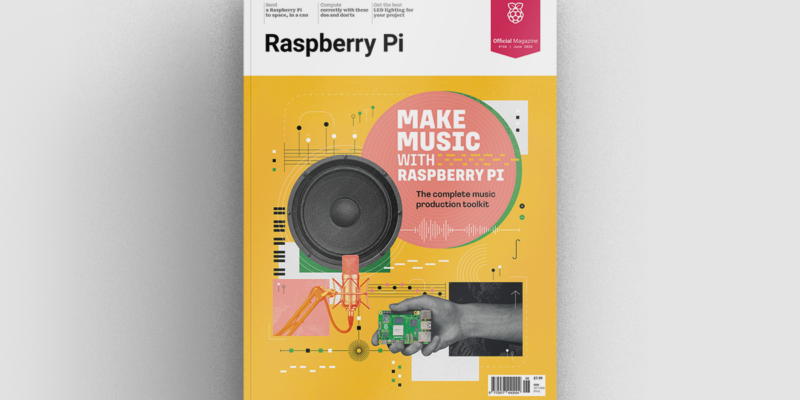
Make Music With Raspberry Pi in Official Raspberry Pi Magazine issue 166
Music production is an esoteric world of chin stroking and arguing over what kind of valve makes the best sound in a guitar amplifier – at least, it can be. Load up on software, bring your friends, and record your latest masterpiece on Raspberry Pi. We bring news from the world of 3D printing, where […]
Read more →
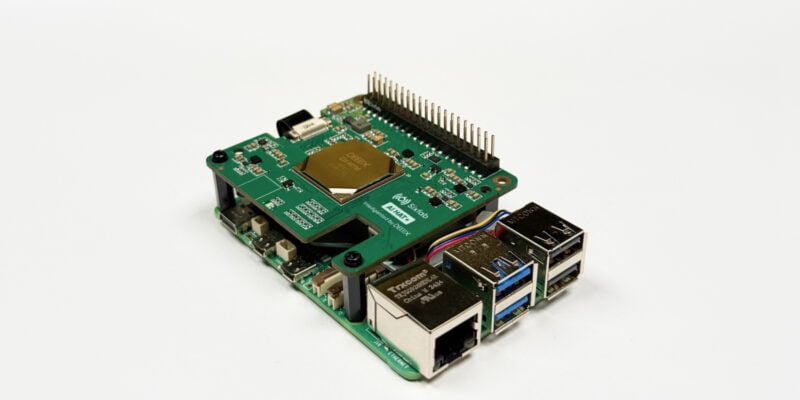
Win one of ten Sixfab AI HAT+
The new add-on could be yours
Read more →
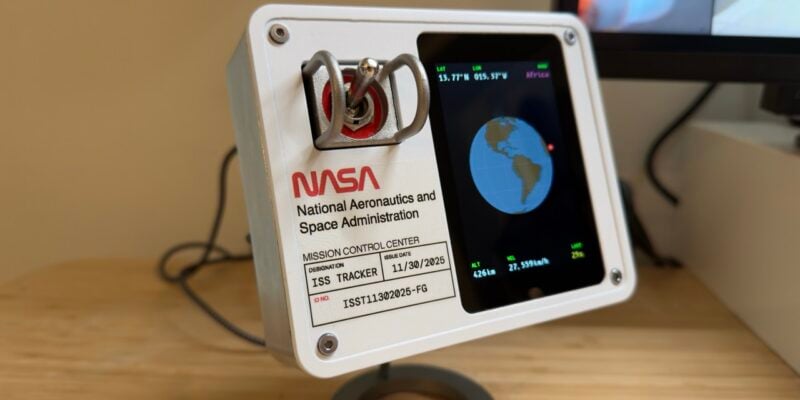
ISS Tracker
Space age is no longer a synonym for futuristic; space age means things that originated in the last millennium.
Read more →