Proto Shield with Robot Arm and Snake Game
By Rosie Hattersley. Posted

The first indication that Ronin (aka byronin) would grow up to be an enthusiastic maker and technical engineer came at the age of 10 when he bought his first soldering iron; at 15 he built his first mini sumo robot, winning first prize in the very first competition he entered. An embedded systems engineer in his native Turkey, Ronin loves designing his own projects. Although his Raspberry Pi Proto Shield and Snake Game is his first appearance in The MagPi (and his first Pico project), his prodigious output means it’s unlikely to be his last.
Cyberdeck projects – survive in style with Raspberry Pi!
Ronin built his first prototype circuit board six years ago and discovered Raspberry Pi a year later. He usually programs microcontrollers using embedded C, but learning MicroPython led him to Raspberry Pi and, more specifically, the Pico. After realising the scope of what Pico can do, Ronin says he was “mad at myself” for not buying a Raspberry Pi Pico for his workshop before, given that every project he works on has buttons, an OLED screen, and motors.

Protection measures
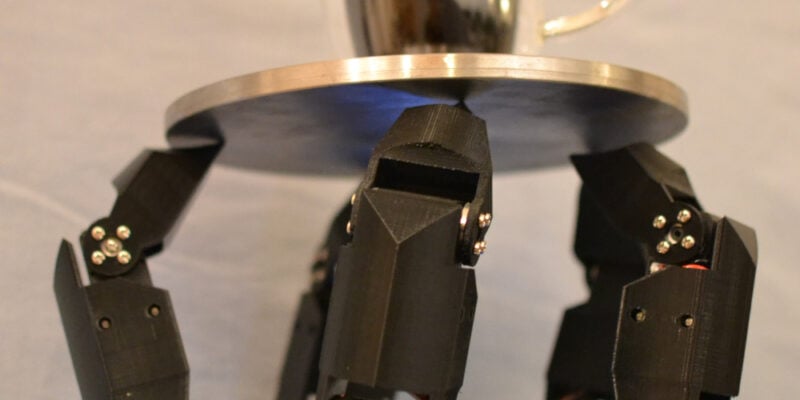
Ronin likes to design and manufacture a bespoke shield whenever he buys a new development board or a microcontroller, and is now a regular customer of custom circuit board printing company PCBWay. Most of his project builds are based on off-the-shelf or easy-to-acquire parts, but PCB production is “a difficult process”, so he prefers to rely on a paid-for service. Although Raspberry Pi has its own system of HATs as well as plenty of ports, a Proto Shield mimics the Arduino approach he was used to. Further research led Ronin to the idea of learning about Pico by making a robot arm – a popular Raspberry Pi project, for which he followed GHIZmo’s Instructable. Ronin had access to a 3D printer to print parts for this.

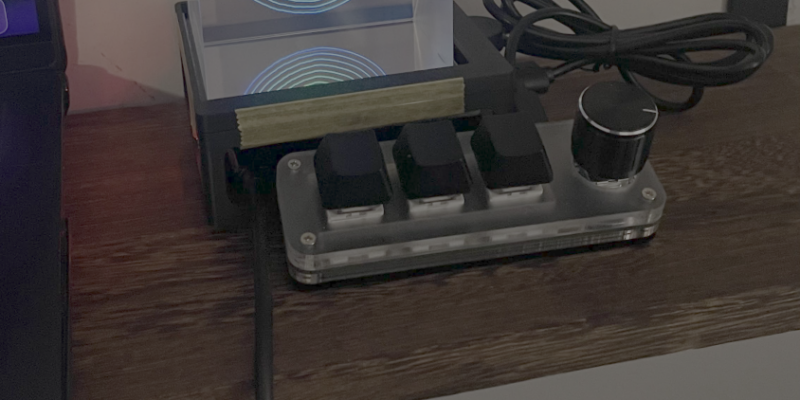
He also decided to incorporate an OLED screen into his custom Proto Shield, turning his Pico into an interactive Snake game as well as a robot arm controller.
Gaming the system
Quite sensibly, Ronin focused on the elements he could do well, namely developing a Proto Shield and designing a circuit board, reporting that Raspberry Pi’s liberal provision of GPIO pins and PWM, UART, and I2C features “provided a lot of convenience in the design process of the Proto Shield.” He chose Hari Wiguna’s enticing Pico Snake game for its visual engagement, but had to write image-to-byte array instructions. Aside from the time taken to order components and print parts, the whole thing took less than two days’ work to assemble and get working. He cheerfully admits he had little experience of MicroPython before working on his inaugural Pico project, but says any coding errors were because he wrote code that would have worked in C rather than typing in Python commands.

Responses to the project have been overwhelmingly positive, with so many email alerts he could barely keep up. Buoyed up by the feedback, Ronin is already hard at work on a similar project for a mini sumo robot, neatly recalling his first steps into robotics as a teenager.

Subscribe to Raspberry Pi Official Magazine
Save up to 37% off the cover price and get a FREE Raspberry Pi Pico 2 W with a subscription to Raspberry Pi Official Magazine.