Retro 3D-printed Typeframe PX-88
By Andrew Gregory. Posted
Nineteen eighty-five was a good year. It gave us Back to the Future, Tears for Fears’ Songs From the Big Chair, and perhaps more relevantly for us, the publication of Richard Stallman’s GNU Manifesto, which somehow managed to be more than three times longer than the American Declaration of Independence.
The year 1985 is also when the Epson PX-4 was released. This portable computer, which could run on four AA batteries, was amazingly ahead of its time, with its Zilog Z80 processor and 64kB of memory. It also captured a certain eighties aesthetic that we love. Now, 40 years later, Jeff Merrick has built a
cyberdeck-cum-writerdeck that channels all that was good about the Epson PX-4 and makes it better.
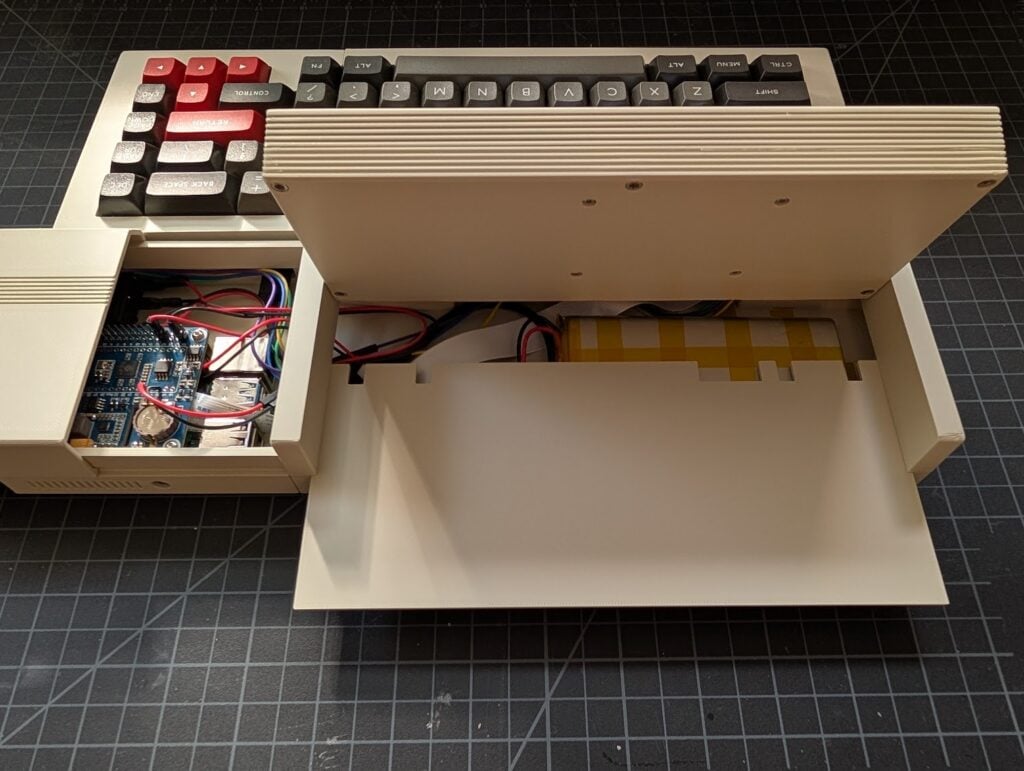
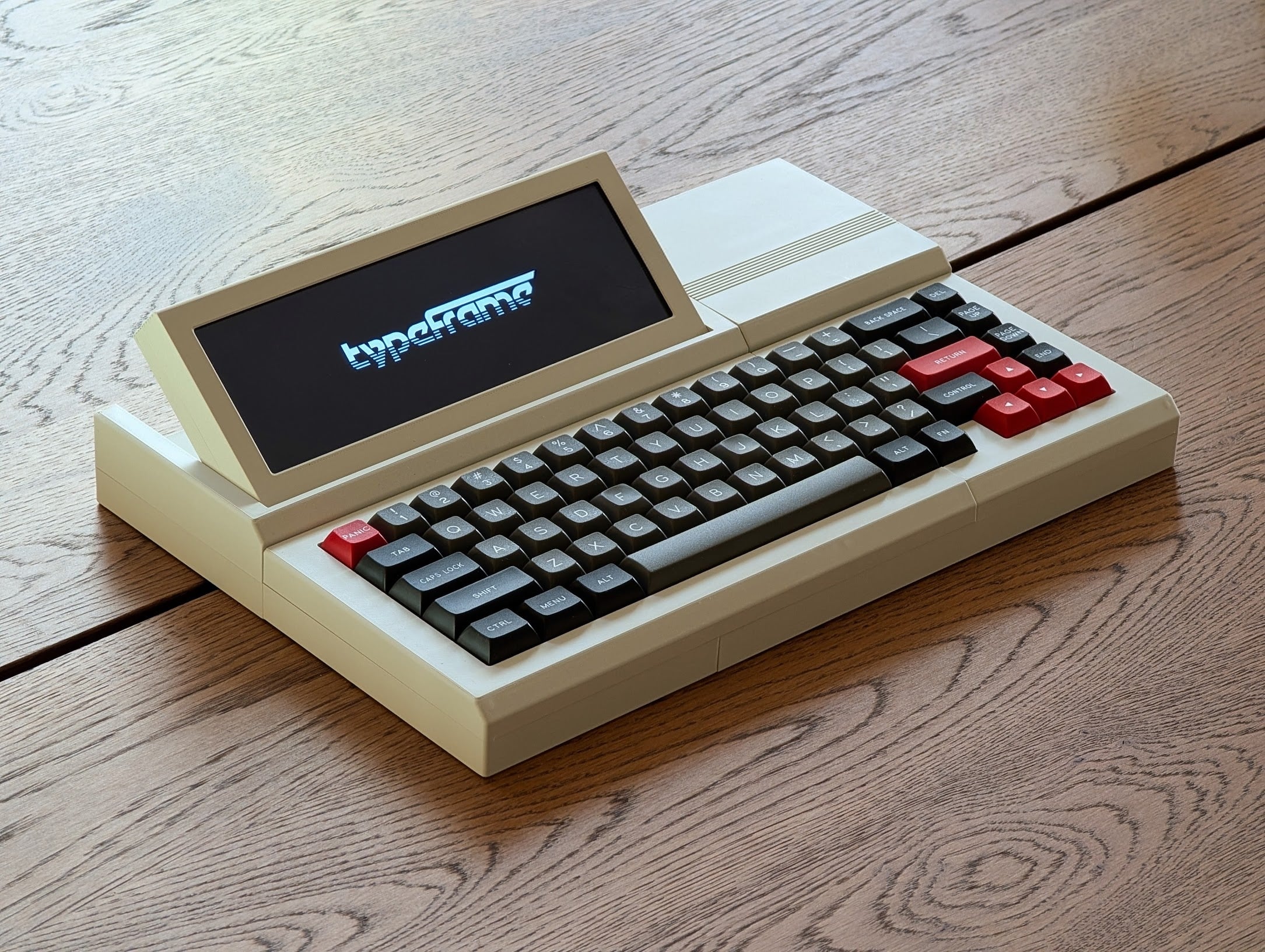
The Typeframe PX-88 features a mechanical keyboard, touchscreen, and a Raspberry Pi 4, all in a 3D-printed chassis with the electronics made accessible via sliding panels. Unlike the PX-4, the Typeframe PX-88 runs on a single USB power adapter. And incredibly, it’s been designed to fit together with absolutely minimal soldering – just the power switch and status light.

Features Editor Andrew trawls the internet for Cool Stuff while keeping the magazine running smoothly.
Subscribe to Raspberry Pi Official Magazine
Save up to 37% off the cover price and get a FREE Raspberry Pi Pico 2 W with a subscription to Raspberry Pi Official Magazine.
More articles
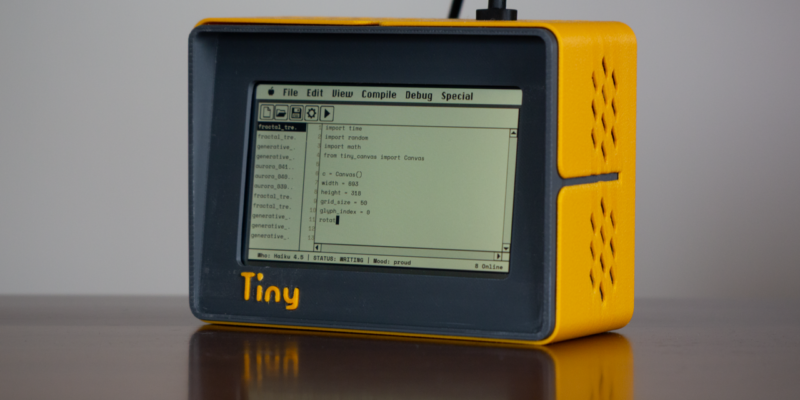
TinyProgrammer
Want a coding companion? TinyProgrammer lets you watch as it tinkers with Python all day. Sean McManus finds out how it works
Read more →

Make a Smart Home in Raspberry Pi Official Magazine issue 167
The dream of smart, connected devices controlling your home automatically, is especialy appealing on a lazy day when we’re trying to get work done in a heatwave. Maybe this will be the year we finally integrate temperature sensors with fans and a drinks dispenser to keep us cool, or maybe not, but we do know […]
Read more →
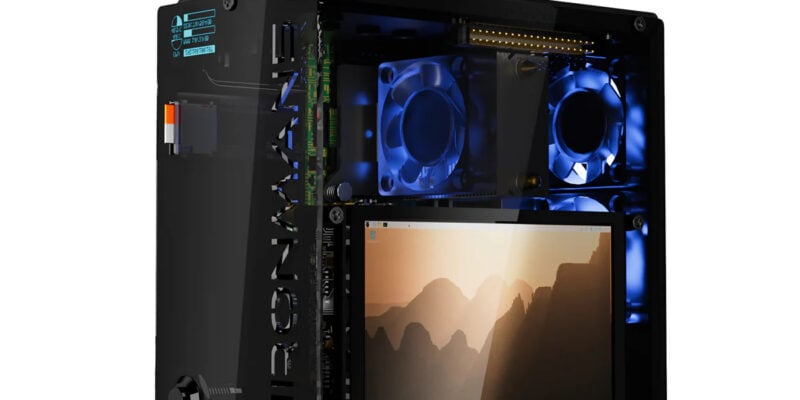
Win 1 of 3 Pironman 5 Pro Max cases!
Transform your Raspberry Pi with this amazing case
Read more →