Smart camera
By Rob Zwetsloot. Posted

If, like me, you are cursed to browse Twitter and other social media a good portion of your day, you may have noticed the hubbub around AI art. New companies have used advanced AI algorithms and thousands upon thousands of images and art pieces posted online to create art generators that output very convincing pictures.
The tech itself is extremely impressive. However, there are many moral and ethical questions around the art it’s learning from – especially if the art itself was used without the consent of the artist. Also, the hands and eyes always look weird.

Similar things can be said about text generators like ChatGPT. We’ve seen people use it to create a jumping on point for simple Python code, which is an interesting use of open-source scripts. However, for actual text… well, the best way I’ve seen it described is ‘confidently wrong’. For very basic stuff, you might get something competent, but anything else and it’s better to get a person involved.
Computer vision
Over the years, we’ve made great use of OpenCV in many Raspberry Pi projects – it’s a machine learning tool that processes image data to help make decisions. It’s used in robotics a lot with a Raspberry Pi Camera Module, with the late, great Formula Pi robots doing stellar work with it as they zipped around.
This use of AI is great. It’s doing something people can sort of do, but if you were doing these tasks it would be a bit menial. And the AI can do it a lot faster.
I’ve also seen people use image recognition technology with Raspberry Pi to create a Pokédex from the Pokémon anime – a device that recognises the eponymous monsters – and simply a ‘magic wand’ that identifies what it’s being pointed at. Both work to varying degrees of success. However, humans only know a limited amount of knowledge too.
Ethical future
We’re currently at a tipping point with a lot of AI tech. It’s getting very interesting and very powerful, but the technology should not be replacing human expression – especially when it’s copying other humans’ expressions without any context. The way it’s been used in computer vision is a good template for the future – as an aid and not a pseudo-replacement. Art is important expression after all.
With the new Camera Module 3 and its laundry list of new features, I can only imagine what we’ll be able to do with it that a person cannot.

Rob is amazing. He’s also the Features Editor of Raspberry Pi Official Magazine, a hobbyist maker, cosplayer, comic book writer, and extremely modest.
Subscribe to Raspberry Pi Official Magazine
Save up to 37% off the cover price and get a FREE Raspberry Pi Pico 2 W with a subscription to Raspberry Pi Official Magazine.
More articles
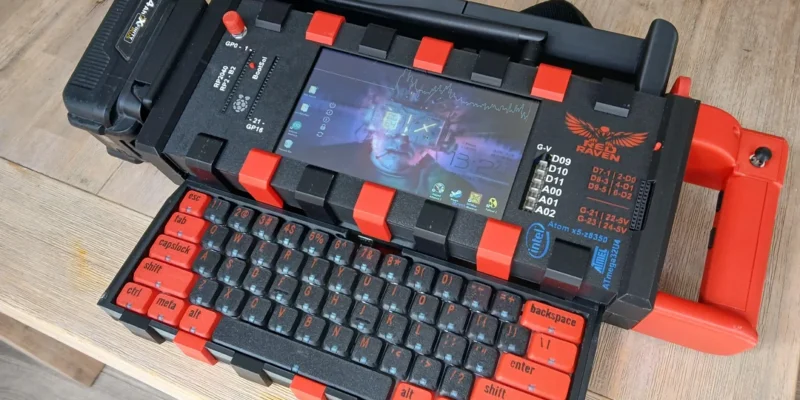
Red Raven cyberdeck
Powered by drills
Read more →
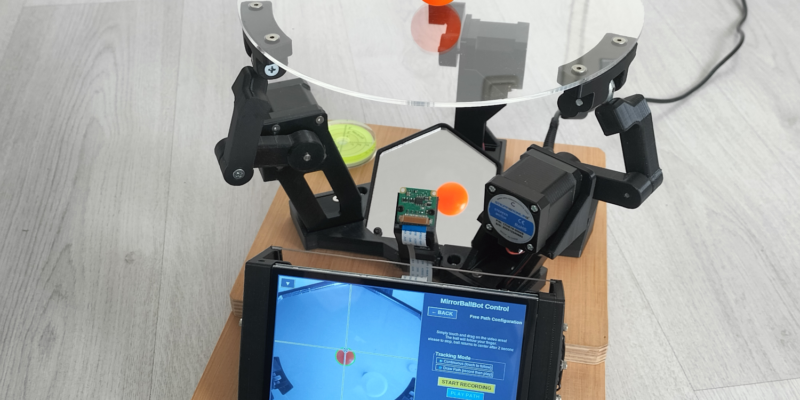
MirrorBallBot
This trick uses no smoke but it does use mirrors
Read more →

Digital Displays in Raspberry Pi Official Magazine 170
Some projects seem more like magic to us than anything else; here’s one of them. This robot by Italian engineer/magician Andrea Favero uses a mirror to widen the field of vision of a Raspberry Pi Camera Module 3, the input from which is processed by Raspberry Pi 4 and used to control three legs to […]
Read more →